
Water Security in Irish Farming: Lessons from the Nationwide Hosepipe Ban


Introduction
For generations, Ireland has been known for its abundant rainfall, lush green fields and reliable water supplies. Water shortages were rarely considered a major concern for agriculture or rural communities.
However, the nationwide hosepipe ban introduced this summer tells a different story. Following weeks of exceptionally dry weather and increased demand, public water supplies have come under significant pressure, prompting Uisce Éireann to introduce a Water Conservation Order across every county in Ireland.
While the restrictions primarily affect households and businesses connected to the public water network, they also raise a much broader issue for Irish agriculture. Water security is becoming an increasingly important challenge, and prolonged periods of dry weather are no longer viewed as once-in-a-generation events.
For farmers, the hosepipe ban is less about whether a garden can be watered and more about what it signals for the future of Irish farming, water management and climate resilience.
Why Has a Nationwide Ban Been Introduced?
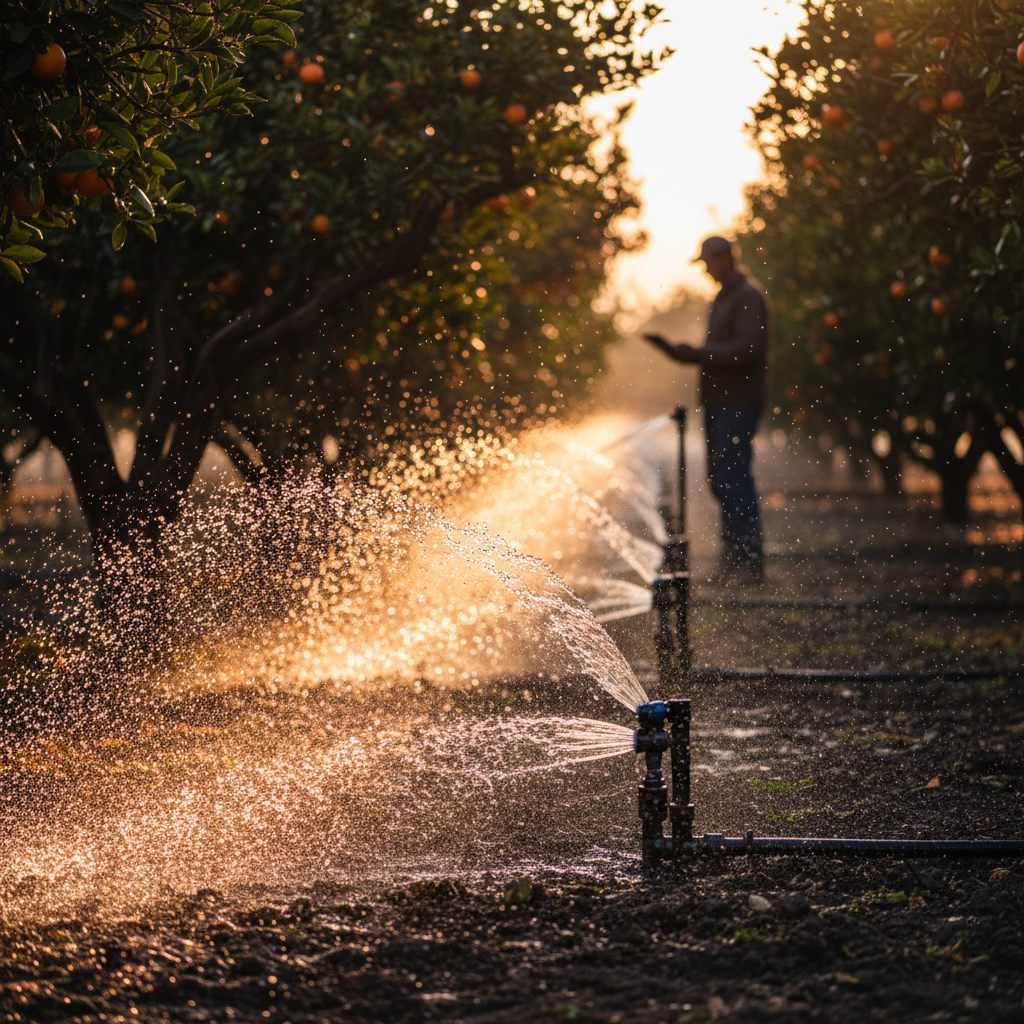
The Water Conservation Order follows one of the driest and warmest periods experienced in recent years. Reservoirs, rivers and water treatment plants have all come under increasing pressure as water levels declined while demand for drinking water rose sharply.
According to Uisce Éireann, water consumption has been running at approximately 20% above normal levels in many parts of the country during the recent spell of hot weather. The nationwide restrictions came into effect on 24 July and are expected to remain in place until at least 26 August, although this will depend on weather conditions and the recovery of water supplies.
Although Ireland receives around 1,200mm of rainfall annually on average—considerably more than many European countries—our water infrastructure is not designed to cope with prolonged periods of low rainfall combined with exceptionally high demand. This demonstrates that water security depends not only on rainfall but also on storage capacity, treatment facilities, infrastructure and responsible water use.
The restrictions have been introduced to ensure sufficient drinking water remains available for homes, hospitals, schools, businesses and emergency services.
What Does the Hosepipe Ban Mean?
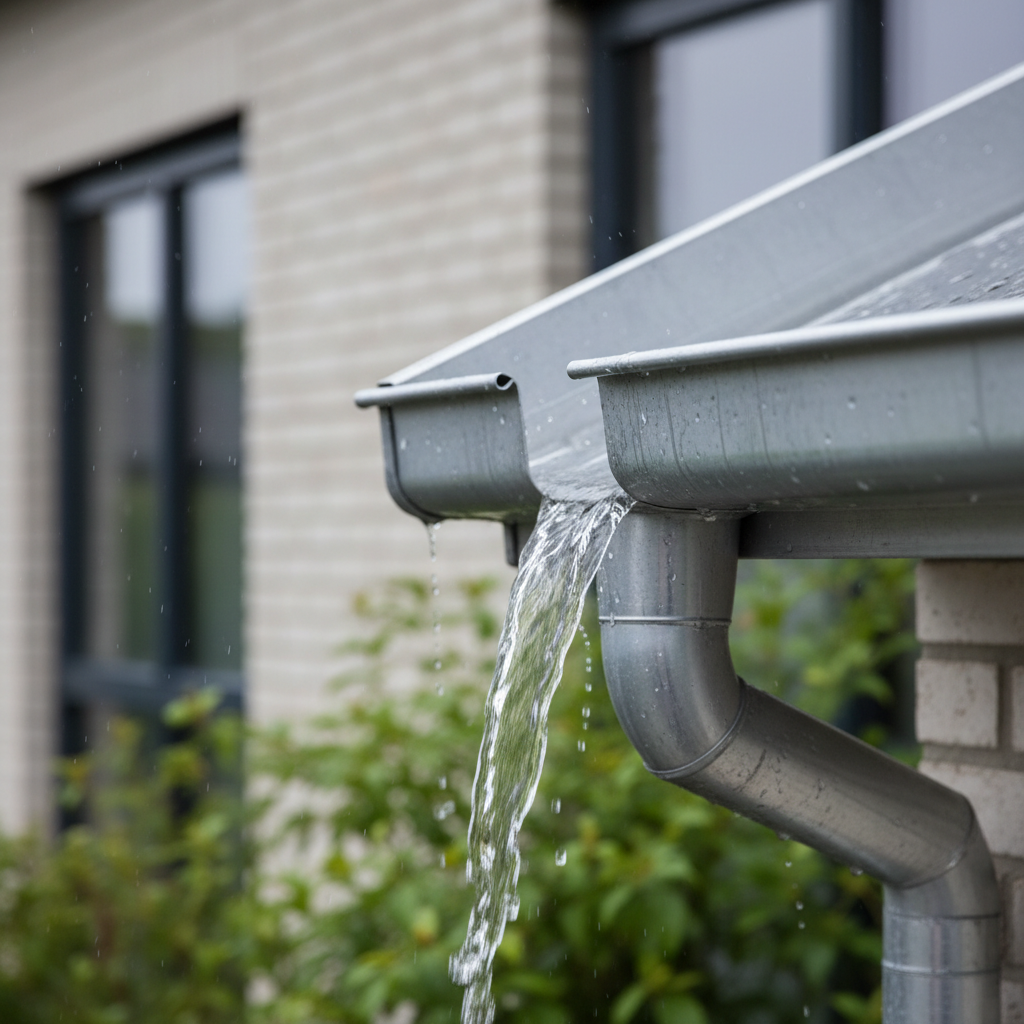
The Water Conservation Order prohibits the use of hosepipes connected to the public water supply for several non-essential activities.
These include:
- Watering gardens and lawns.
- Washing private vehicles.
- Cleaning patios, driveways and hard surfaces.
- Filling paddling pools.
- Topping up ornamental ponds and water features.
The restrictions apply only to treated public drinking water.
Many farms rely on private wells, group water schemes or dedicated farm water supplies, meaning they are not directly affected by the ban. However, the weather conditions that made these restrictions necessary have implications for every farming enterprise.
Why Should Farmers Care?
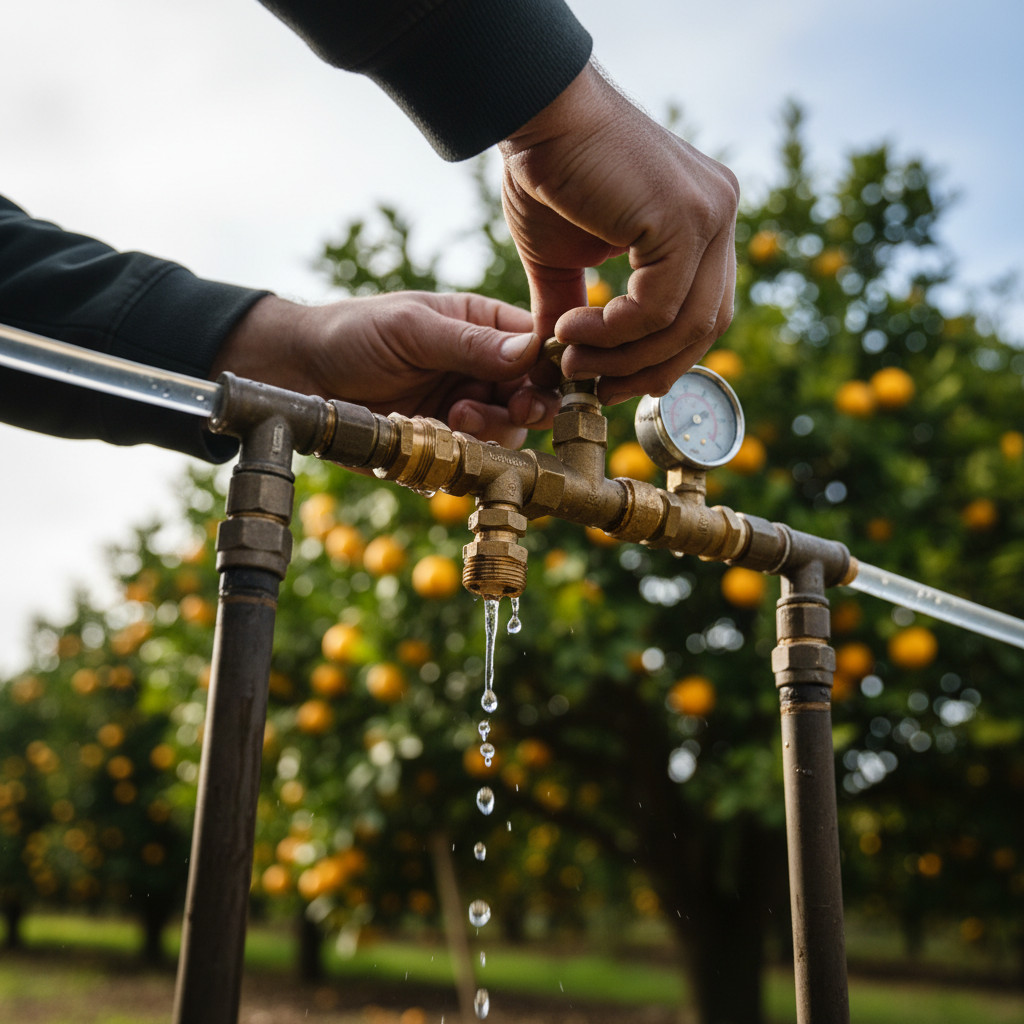
Water is one of the most valuable resources on any farm.
Whether producing milk, beef, sheep, cereals, vegetables or horticultural crops, reliable access to clean water is fundamental to productivity, crop performance and animal welfare.
Livestock water requirements increase significantly during hot weather.
For example:
- A high-yielding dairy cow can drink between 70 and 150 litres of water per day.
- Beef cattle typically require 40 to 80 litres daily, depending on temperature and diet.
- Lactating ewes and growing lambs also require substantially more water during prolonged warm weather.
If water availability becomes restricted or animals experience heat stress, productivity can quickly suffer. Reduced feed intake, lower milk yields and poorer weight gain are all common consequences of prolonged hot weather.
Even farms supplied by private wells can experience falling groundwater levels during extended dry periods, making water management an increasingly important aspect of farm planning.
Lessons from the 2018 Drought
Many Irish farmers will remember the summer of 2018.
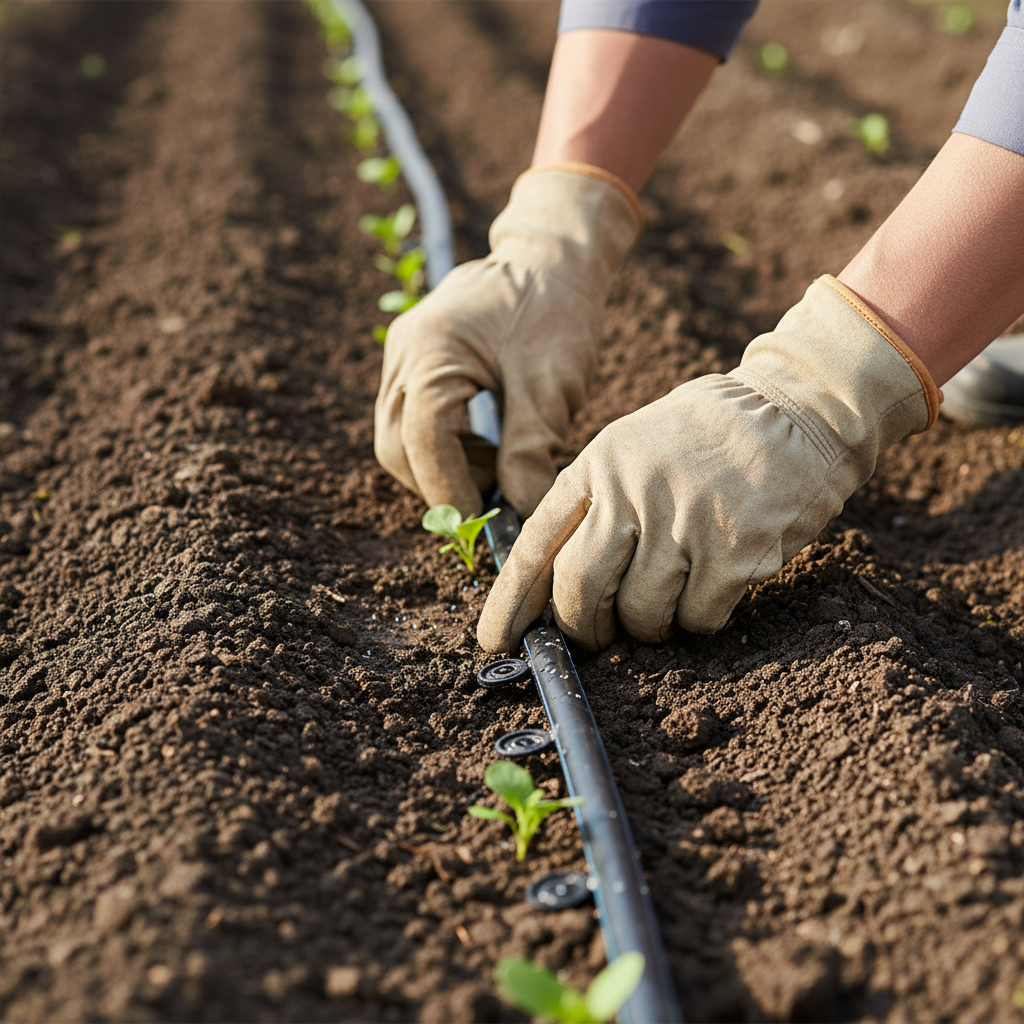
Following an extended period of exceptionally dry weather, grass growth slowed dramatically across much of the country. Livestock farmers were forced to feed winter silage months earlier than planned, placing significant pressure on fodder reserves before the housing season had even begun.
In some areas, water had to be transported to livestock as local supplies came under pressure. Wildfires also affected large areas of upland, forestry and peatland, creating additional challenges for farmers and emergency services.
The drought highlighted just how quickly weather conditions can affect farm profitability through:
- Reduced grass growth.
- Earlier supplementary feeding.
- Increased feed costs.
- Lower crop yields.
- Greater demand for irrigation.
- Higher livestock water consumption.
For many farms, 2018 served as a reminder that drought planning is becoming just as important as preparing for prolonged wet weather.
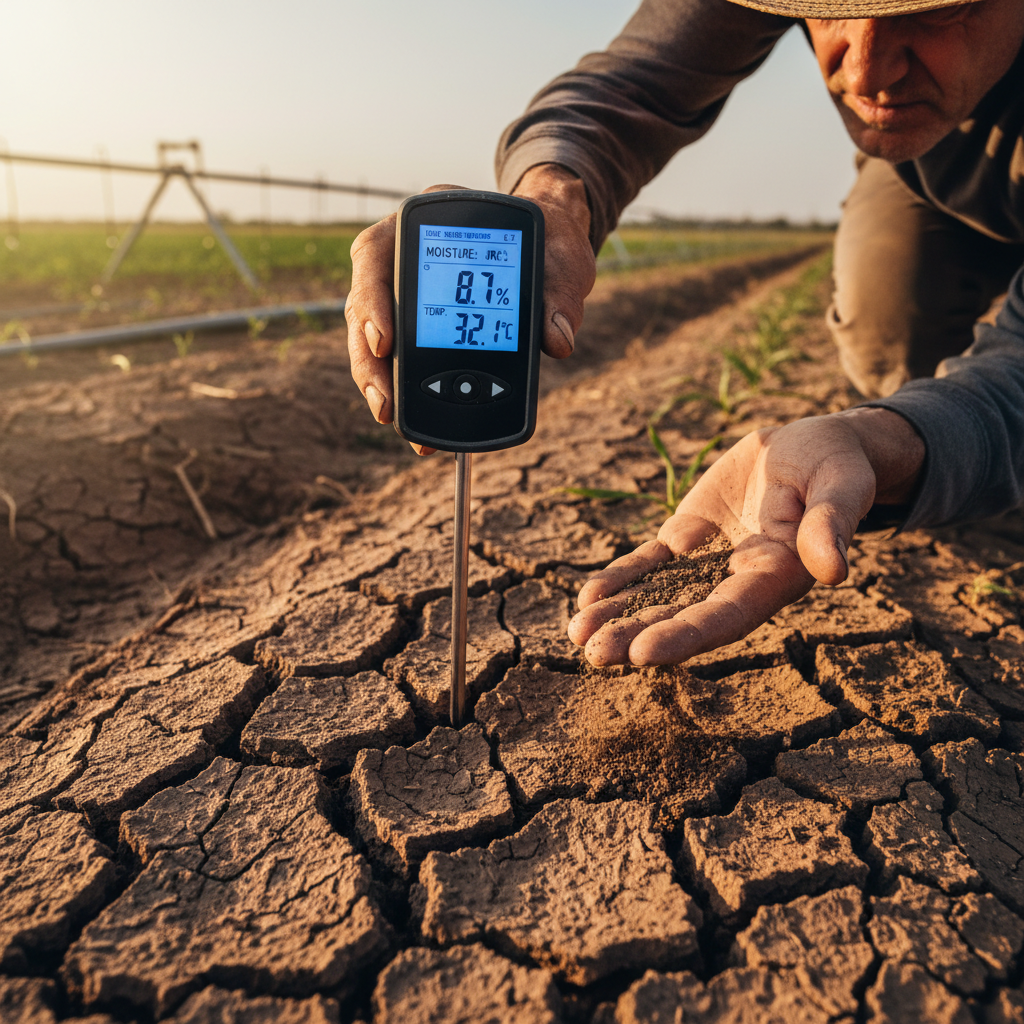
Different Challenges for Different Farming Sectors
Dry weather affects every farming system differently.
For dairy farmers, prolonged high temperatures can reduce feed intake, increase heat stress and affect milk production. Adequate shade, ventilation and access to fresh water become increasingly important.
Beef and sheep farmers may experience slower grass growth, reducing grazing availability and forcing the earlier use of silage or concentrate feed.
Tillage farmers face reduced soil moisture during key crop development stages, which can affect grain filling and ultimately reduce yields.
For horticultural producers, dry weather often results in significantly higher irrigation requirements, increasing both water demand and production costs.
Although each farming enterprise faces different challenges, all depend on reliable access to water.
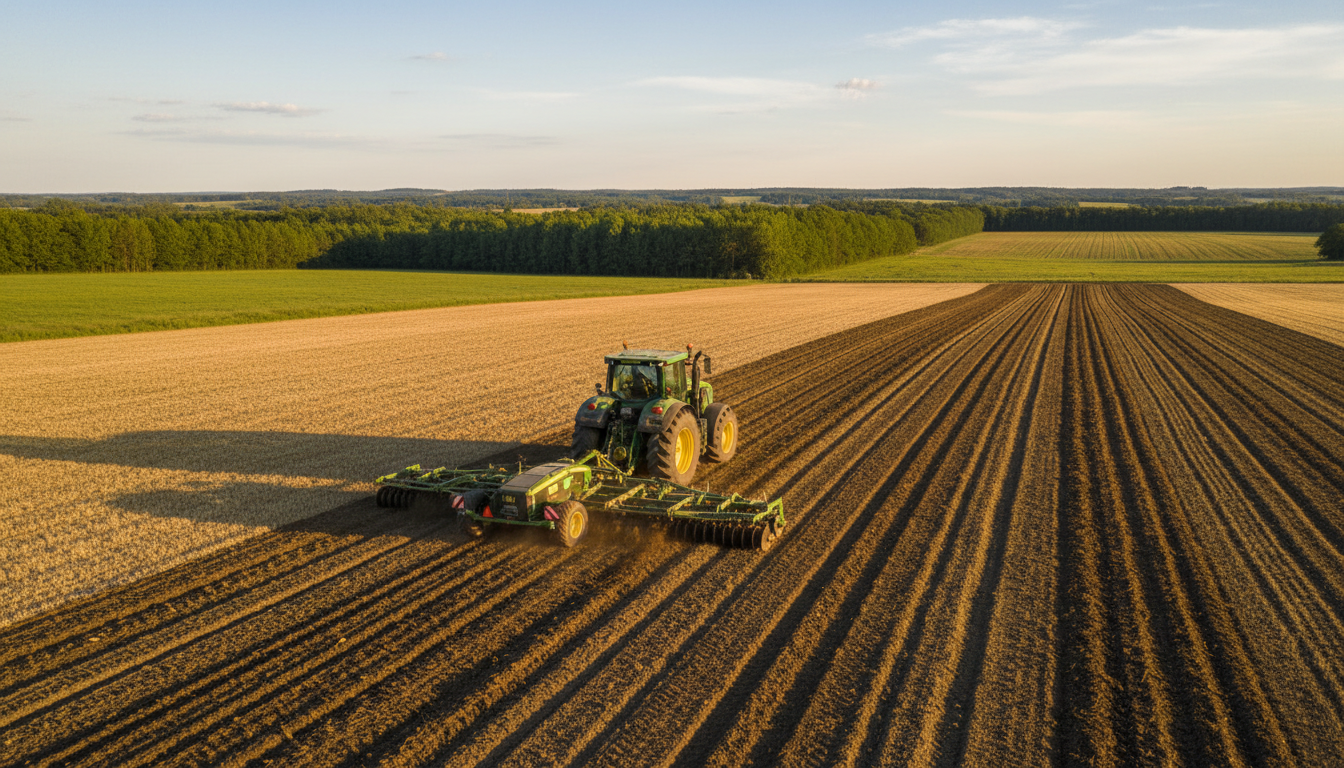
Building Long-Term Water Resilience
Climate scientists expect Ireland to experience warmer summers and more frequent periods of prolonged dry weather over the coming decades, even if annual rainfall remains relatively high.
This means adapting to changing weather patterns is becoming part of modern farm management.
Practical steps farmers can take include:
- Regularly inspecting water systems for leaks.
- Increasing on-farm water storage where practical.
- Harvesting rainwater for suitable farm uses.
- Improving soil organic matter to increase moisture retention.
- Maintaining healthy hedgerows and shelter belts to reduce soil moisture loss.
- Planning adequate fodder reserves to prepare for future dry summers.
- Reviewing emergency water supply arrangements for livestock.
Many of these measures also improve resilience during periods of heavy rainfall by enhancing soil structure and reducing runoff.
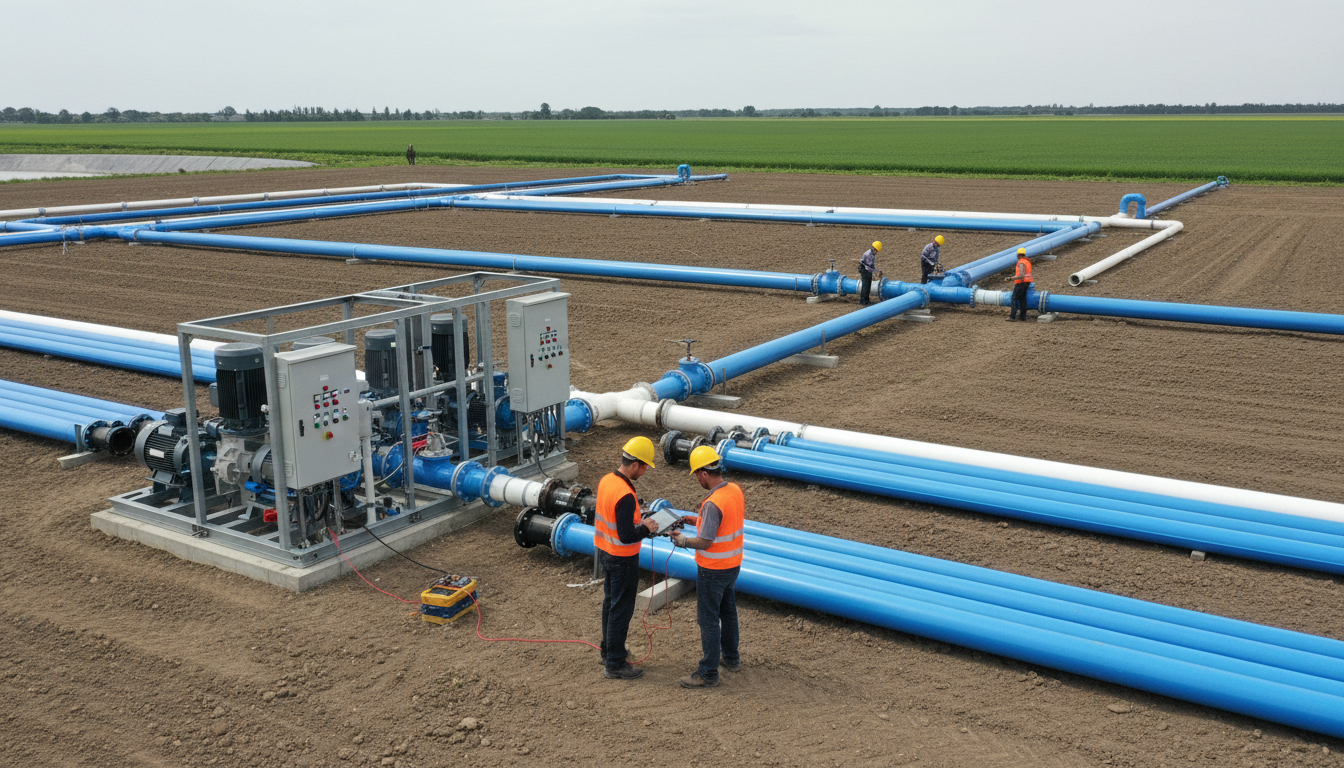
Water Security Benefits the Entire Agri-Food Sector
Although agriculture accounts for only a relatively small proportion of treated public water use, farming depends heavily on healthy rivers, lakes, reservoirs and groundwater.
Water supports every stage of the food chain, from livestock production and crop growth to food processing, manufacturing and rural employment.
Ireland's agri-food sector exports approximately €19 billion worth of food and drink annually and supports around 164,000 jobs. Protecting water resources is therefore not simply an environmental objective; it is fundamental to maintaining one of Ireland's most important indigenous industries.
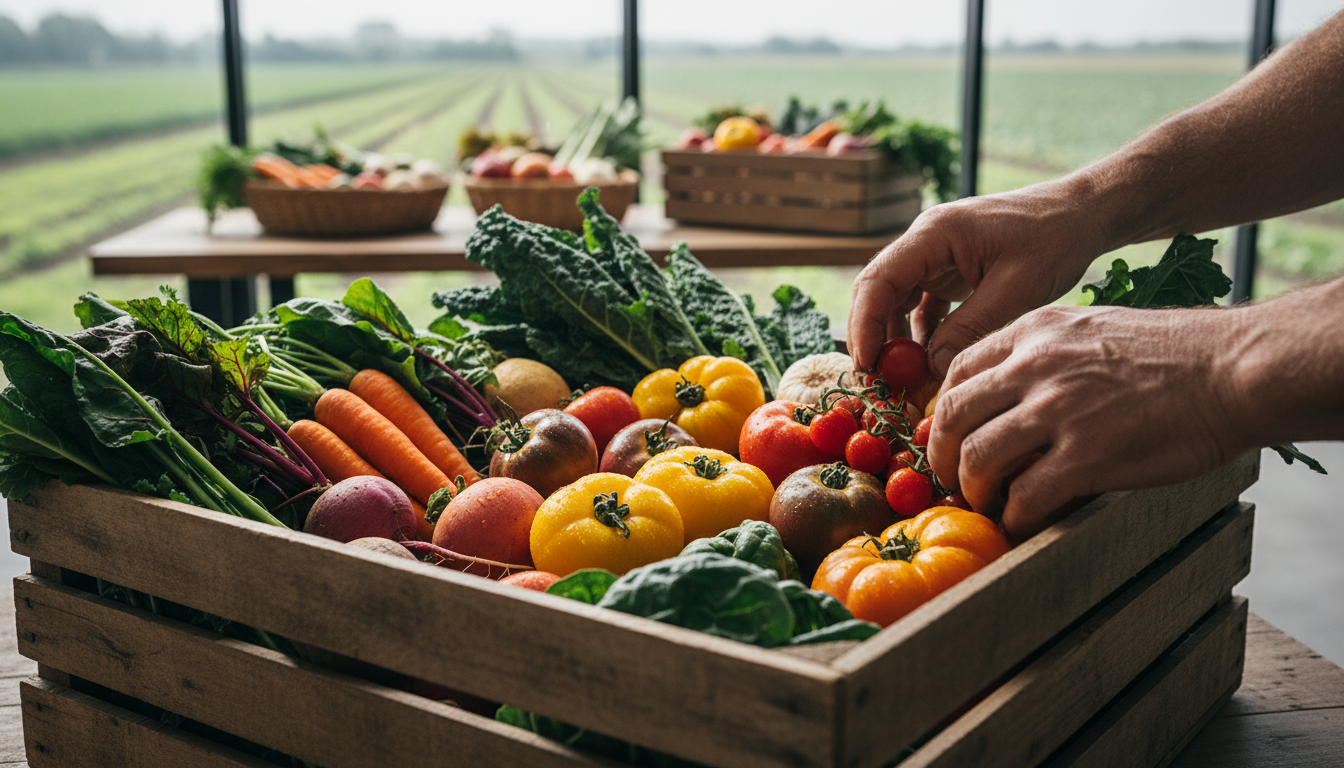
Looking Beyond the Current Ban
The current hosepipe ban is expected to be temporary, but the issues it highlights are likely to remain.
Population growth, increasing demand, ageing infrastructure and changing weather patterns all place greater pressure on Ireland's water supplies.
Continued investment in water treatment plants, storage facilities, leakage reduction and distribution networks will be essential if Ireland is to reduce the likelihood of similar restrictions in future.
For farmers, improving on-farm water efficiency and planning for more variable weather conditions will become increasingly important as climate patterns continue to evolve.

Conclusion
Ireland's nationwide hosepipe ban is about far more than restricting the use of garden hoses. It serves as a reminder that even one of Europe's greenest countries cannot take water for granted.
For Irish farmers, reliable water supplies underpin every aspect of agricultural production, from livestock welfare and crop growth to food processing and rural livelihoods.
While the current restrictions are temporary, they highlight the importance of building a more resilient agricultural sector that is prepared for both wetter winters and drier summers. By investing in better water management, improving infrastructure and adopting practical on-farm measures, Ireland can strengthen both its farming sector and its long-term water security.
*By Anne Hayden MSc., Founder, The Informed Farmer Consultancy.