
Understanding Innovating for Impact: Teagasc’s New Strategy for Irish Farmers


Introduction
Teagasc has set out its new corporate strategy, “Innovating for Impact: Improving Competitiveness and Resilience in the Agrifood Sector”, and it arrives at a moment when the ground is shifting under Irish farming in more ways than one. For years now, farmers have been wrestling with rising input costs, tightening environmental expectations and markets that never seem to sit still for long.
So, while the word “strategy” might sound a bit removed from the yard or the milking parlour, this one deserves attention. It sets the tone for how Teagasc plans to support farmers between now and 2028, and, importantly, how the sector can keep its footing in a world that isn’t slowing down.
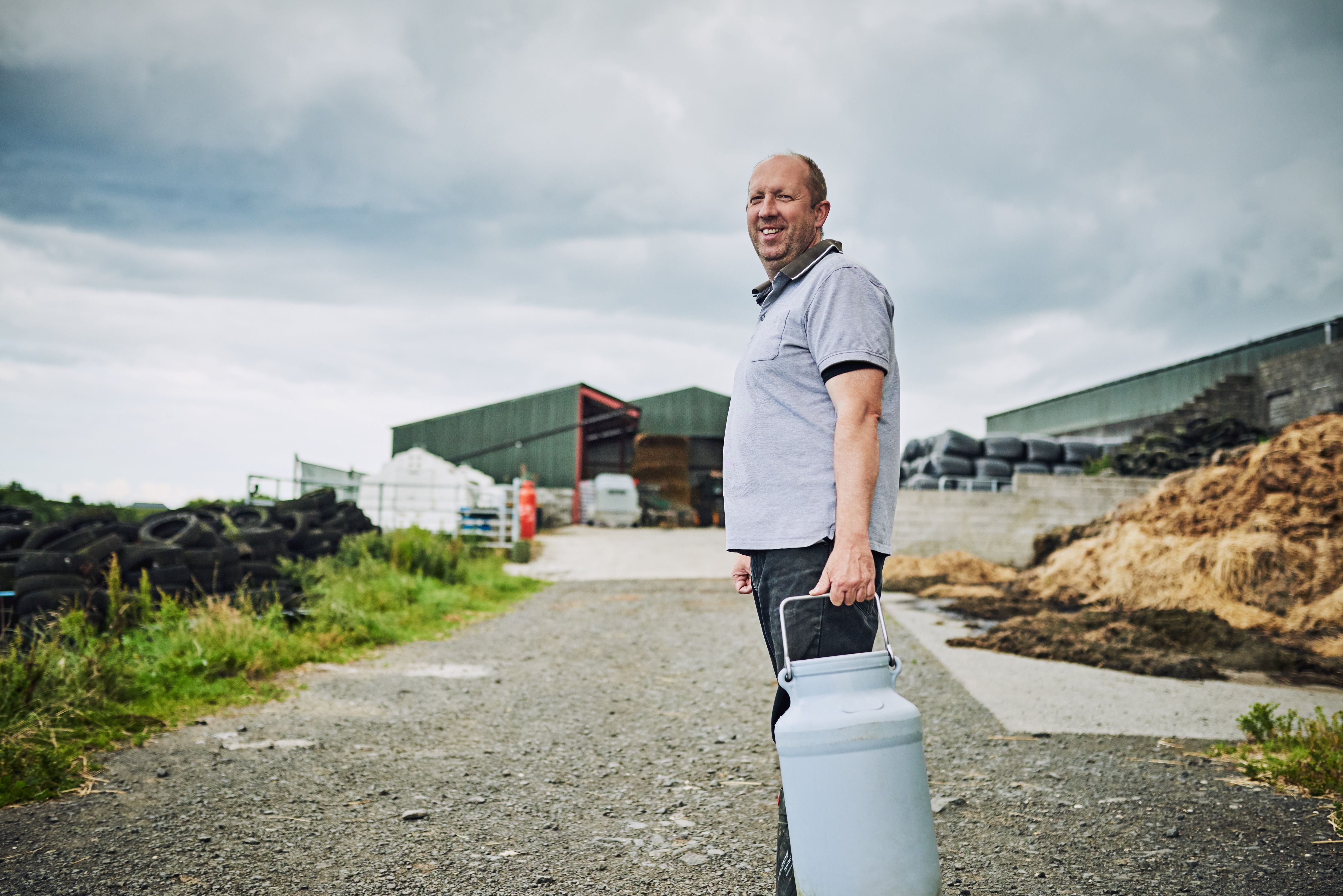
Competitiveness and Resilience — The Two Big Anchors
If there are two ideas threaded through this strategy from start to finish, they’re competitiveness and resilience.And they’re not abstract concepts either, they touch every farm in the country.
Competitiveness is about keeping farm businesses productive and profitable in a global marketplace that has grown fiercely crowded. Ireland’s agrifood exports reached around €19 billion in 2024, with Irish food and drink shipped into more than 180 countries. It’s a staggering reach for a small country, and one that depends on farmers staying productive despite rising costs and unpredictable conditions.
Resilience, meanwhile, is the ability to steady the ship when things go wrong, a bad year of prices, a run of weather that ruins silage, or a regulation change that upends the best-laid plans. The strategy’s message is simple: competitiveness might keep a farm thriving in the good years, but resilience keeps it standing in the bad ones.
Put together, they create a kind of guiding principle for the next few years: help farmers improve performance, but also strengthen their ability to withstand shocks.
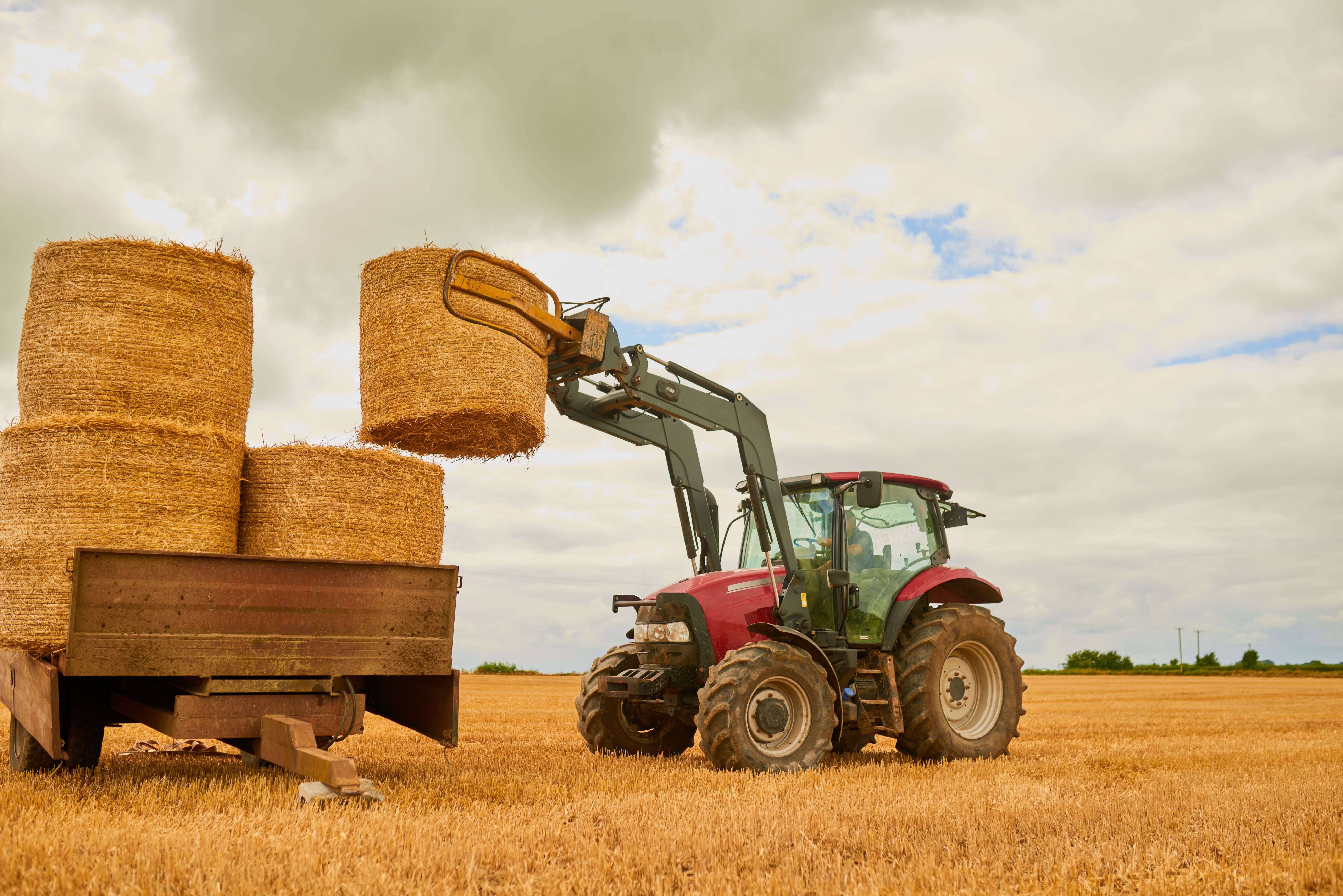
What This Actually Means on the Ground
A strategy is only as useful as the changes farmers can actually feel. Several parts of this one will show up in very real, day-to-day ways.
1. Productivity with real impact
Teagasc wants to help farmers squeeze more value from the resources they already have, not by piling on extra work, but by supporting better decisions. Good grassland management, improved herd health, smarter nutrient plans, and digital tools that cut out guesswork all fall into this bracket.
Given that the value of agricultural output rose to roughly €12.2 billion in 2024, and milk alone accounted for about €4.1 billion, roughly one-third of all agricultural output value, even small improvements in performance can ripple right through farm incomes.
2. Environmental progress rooted in practicality
There’s no pretending that environmental rules are going away. The strategy instead recognises that the best approach is to help farmers meet those expectations in ways that protect both the land and their livelihoods. That means clearer advice on emissions, water quality and biodiversity, without losing sight of what’s workable on a real farm.
3. A focus on people — because farming needs them
Behind every farm gate is a person, often a family, keeping the whole show on the road. The broader agri-food sector now supports around 169,000 jobs, or about 6% of all employment in Ireland. For rural Ireland, that matters hugely.
Teagasc plans to widen access to training, offer more flexible learning routes and put a stronger spotlight on young people, women and part-time farmers. If the sector is going to stay vibrant, it needs fresh talent and a broader range of voices.
4. Innovation that lands quickly, not years later
Lots of promising research never reaches farms because the gap between discovery and real-world use is too wide. The new strategy pushes hard on closing that gap. Whether it’s soil data, breeding improvements or digital tools, the goal is to turn research into something farmers can actually pick up and use, not just read about.
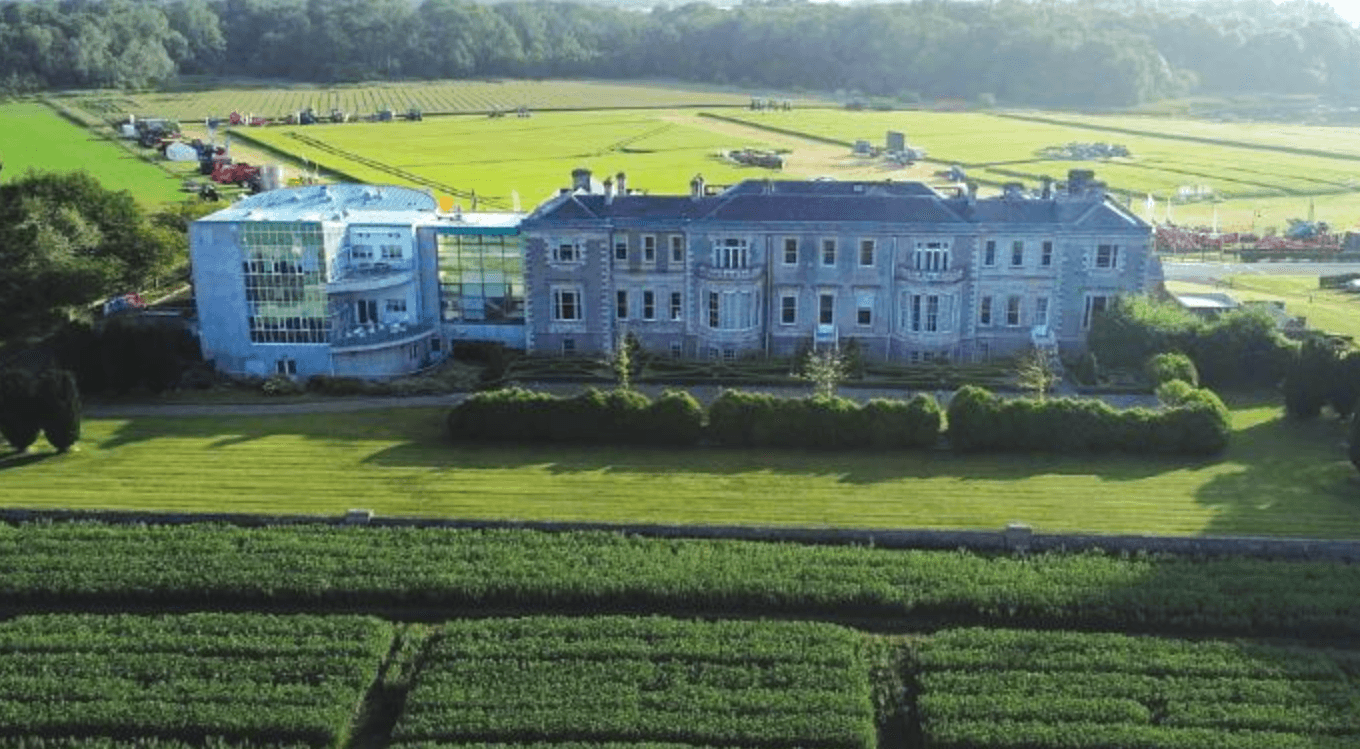
The 40-Plus Initiatives — And What They Amount To
More than 40 new actions will be rolled out across research, advisory work, education and environmental support before the end of 2028. You won’t feel every single one individually, but together they’ll nudge the sector forward in steady, practical steps.
Expect to see:
- More hands-on, targeted support around soil health, water quality and emissions.
- Expanded training options that don’t require farmers to disappear from the farm for days on end.
- A stronger push towards digital tools, not for the sake of novelty, but because the right data at the right time makes decision-making easier.
- More support for diversification and value-added enterprise, so farm families have realistic options when exploring new income streams.
It’s not one big dramatic shift, it’s a collection of small changes that, over time, can alter the direction of travel for the whole sector.
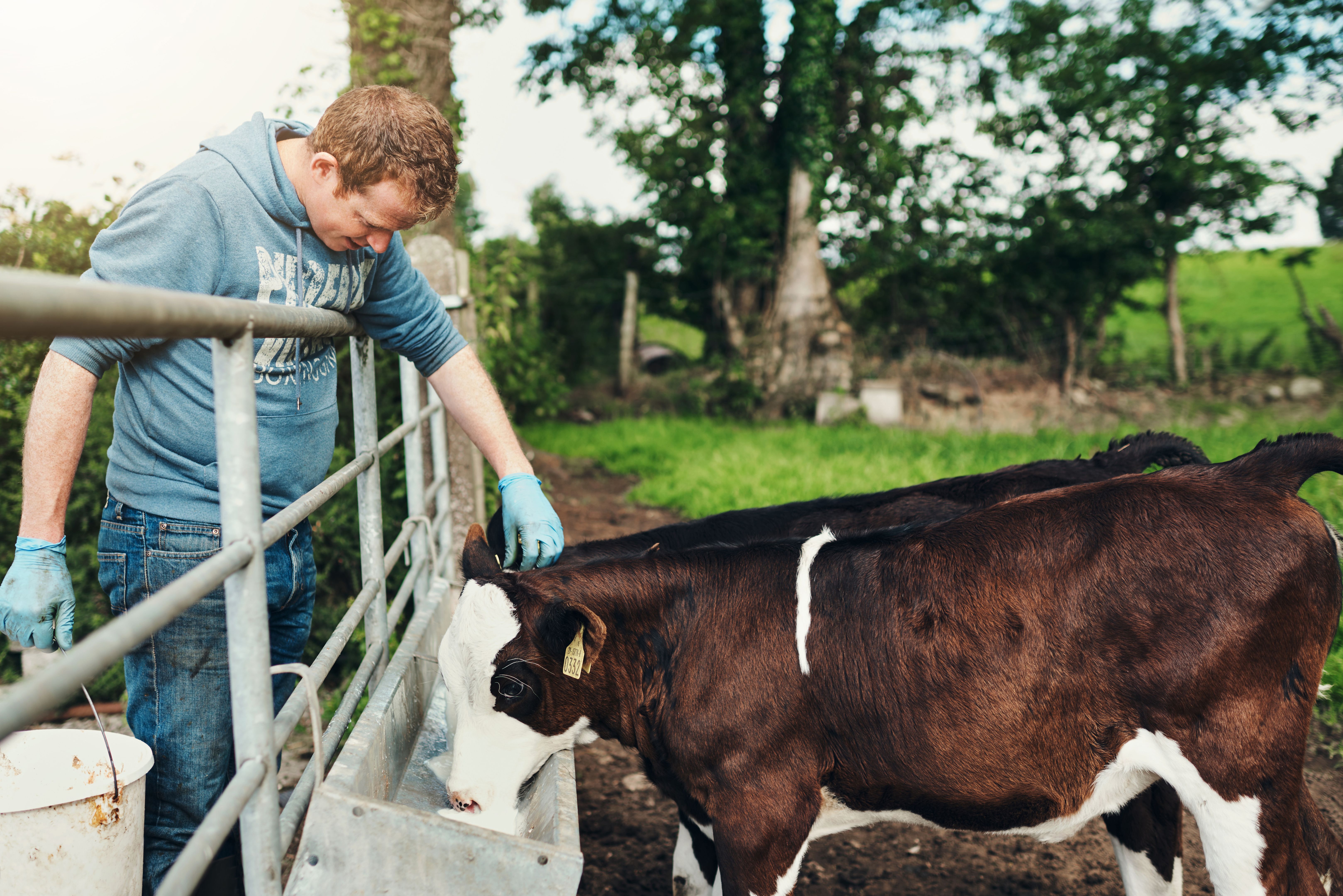
Why This Strategy Matters Now
Farmers don’t need to be told that things can change overnight. The last decade alone has shown how sensitive the sector is to weather, global markets and national policy. Yet it’s also shown how quickly farms can rebound when conditions improve, something reflected in the sharp rise in output value and stronger income projections reported in 2024 and 2025.
Teagasc’s strategy leans into that reality: it recognises the volatility but also the potential. Irish agriculture is built on a strong knowledge base, a respected advisory service and a global reputation for safe, high-quality food production. Strengthening those pillars gives farmers room to adapt rather than react.
What also stands out is the emphasis on collaboration, not just between Teagasc and farmers, but across government departments, processors, researchers and industry bodies. When a sector is as interconnected as Ireland’s food system, working together isn’t a luxury. It’s survival.

Conclusion
Teagasc’s new corporate strategy isn’t a box-ticking exercise, it’s a genuine attempt to give farmers the tools, information and confidence they’ll need over the next few years. It brings together competitiveness, resilience and innovation in a way that feels grounded in the real world rather than abstract policy talk.
If it’s implemented well, “Innovating for Impact” should help ensure Irish farming stays productive, adaptable and economically secure, not by clinging to the past, but by preparing intelligently for what’s coming next.
If you want a polished website layout, a shorter newsletter version, or a cut-down farmer-focused factsheet, I can put those together too.
*By Anne Hayden MSc., Founder, The Informed Farmer Consultancy.