
The Mental Load of Running an Irish Farm — And Why Support Matters


Introduction
Ask most farmers what the hardest part of farming is and they’ll usually talk about the hours, the weather, or the physical toll. But spend any real time around farms and another answer comes up, usually more quietly, it’s the headspace.
The work doesn’t stop when the tractor is parked. The thinking keeps going, the decisions replay themselves, and the “what ifs” sit there long after the day’s jobs are done.
That mental load has always been part of farming. What’s changed is how heavy it has become, and Irish research now backs up what farmers have been saying for years.
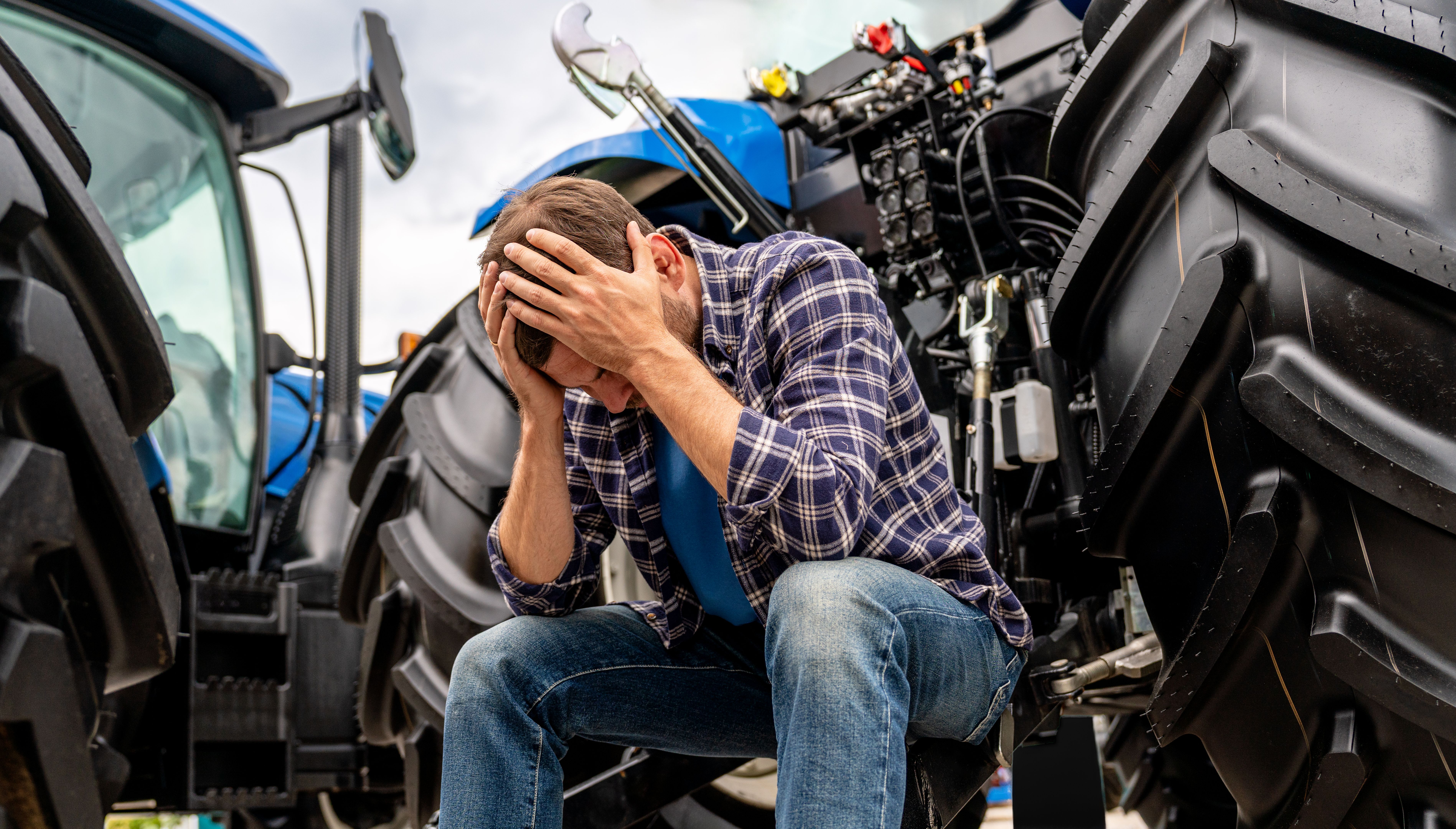
When Responsibility Sits With One Person
Most Irish farms are still family-run. That sounds simple, even comforting, but it also means responsibility is concentrated.
One person is often carrying:
- The financial risk.
- The compliance pressure.
- The animal health decisions.
- The long-term planning.
- The worry about what happens next.
There’s no management structure to spread that load. No one to hand things off to when you’re tired.
That reality showed up clearly in the DCU National Study on Burnout and Sleep Among Irish Farmers, which surveyed 351 farmers across the country. The results were hard to ignore:
- 23.6% reported frequent burnout.
- 50.1% reported widespread sleep problems.
Poor sleep isn’t just about feeling tired. It chips away at patience, judgement and resilience. When broken sleep becomes routine, everything feels heavier, even on good days.
Stress Doesn’t Always Look Like a Crisis
One of the reasons mental strain on farms is so easy to miss is that it doesn’t always look like stress.
The work still gets done, stock are minded, fields are walked, paperwork is submitted. From the outside, things can look steady.
But the Irish Research on Work–Family Conflict and Mental Health in Farming showed strong links between farming pressures and poorer mental health, including anxiety and depression. Farming rarely respects the boundary between work and home. The worries follow you inside, sit at the table, and come back out to the yard with you in the morning.
There’s no clean switch-off.
Suicide Is Not a Distant Issue in Farming
This is the part of the conversation nobody likes having, but the figures make it impossible to ignore.
The Irish Farmer Suicide Risk Screening Study found that 22.8% of farmers surveyed were considered at risk of suicide, based on recognised psychological screening tools.
Even more striking was a related finding from the Irish Farmer Suicide Exposure Study: over 70% of farmers surveyed knew someone who had died by suicide.
That tells you how close this issue sits in farming communities. It’s not something that happens “somewhere else”.
Further context comes from the National Analysis of Probable Suicide by Occupation (2015–2018), which showed that male farmers accounted for about 8% of all male probable suicides in Ireland, with older farmers particularly affected.
These figures don’t mean farming causes suicide. But they do show that farming exists in a mental health landscape where risk is real and close to home.
The Exhaustion of Constant Decisions
Farming today is decision after decision.
Do I move now or wait?
Do I spend or hold off?
Do I treat that animal or watch it?
Do I take the chance on the weather?
There’s no pause button and most decisions have consequences that only show themselves weeks or months later.
Psychologists call the result decision fatigue, mental exhaustion caused by making too many decisions without enough recovery time. In farming, that fatigue is made worse by uncertainty around weather, prices and policy, all of which sit outside the farmer’s control.
It’s not about coping badly. It’s about carrying too much, for too long.
Working Alone Makes It Heavier
Even though rural Ireland is better connected than it once was, farming can still be an isolating job. Many farmers spend long stretches of the day alone, especially outside peak seasons.
Mental health research consistently links isolation with increased anxiety and depression. When worries stay in your own head, because there’s no obvious space to say them out loud, they grow.
This isn’t about loneliness in the social sense. It’s about having no neutral place to put the weight you’re carrying.
Support Is There — and It Belongs in Farming
This matters: support exists, and you don’t have to be at breaking point to use it.
For many farmers, advisory services like Teagasc are a first point of contact. Advisors understand farming pressure because they see it every day, the weather stress, the cost stress, the timing stress.
National services through the HSE provide access to counselling and mental health supports, while Samaritans offer confidential, 24-hour support for anyone who needs to talk.
Reaching out isn’t an admission that you can’t cope. It’s a recognition that farming is mentally demanding, and that carrying everything alone isn’t sustainable.

Why Naming the Problem Matters
The studies referenced here, the DCU burnout and sleep research, the suicide risk screening, the suicide exposure findings, the occupational analysis, and the work–family conflict study, all point in the same direction.
The mental load of farming is real, i’s structural, and it’s not a personal failing.
When farmers name that load, it doesn’t make them weaker. It makes the reality visible — and visibility is what allows support to work.
Conclusion;
Running an Irish farm today takes more than physical strength. It takes constant judgement, emotional resilience and the ability to carry uncertainty day after day.
The figures show that burnout, sleep disruption and elevated mental health risks exist within the farming community. Support exists too.
Looking after Irish agriculture means looking after the people who keep it going. Not just the land, not just the stock, but the farmers carrying the weight of it all, often more quietly than anyone realises.
If you want, the next piece could look at how farmers reduce mental load in practical ways, or how to spot early warning signs before things tip too far.
*By Anne Hayden MSc., Founder, The Informed Farmer Consultancy.