
Lessons from the Blackwater Fish Kill: Ensuring Water Safety in Ireland


Introduction
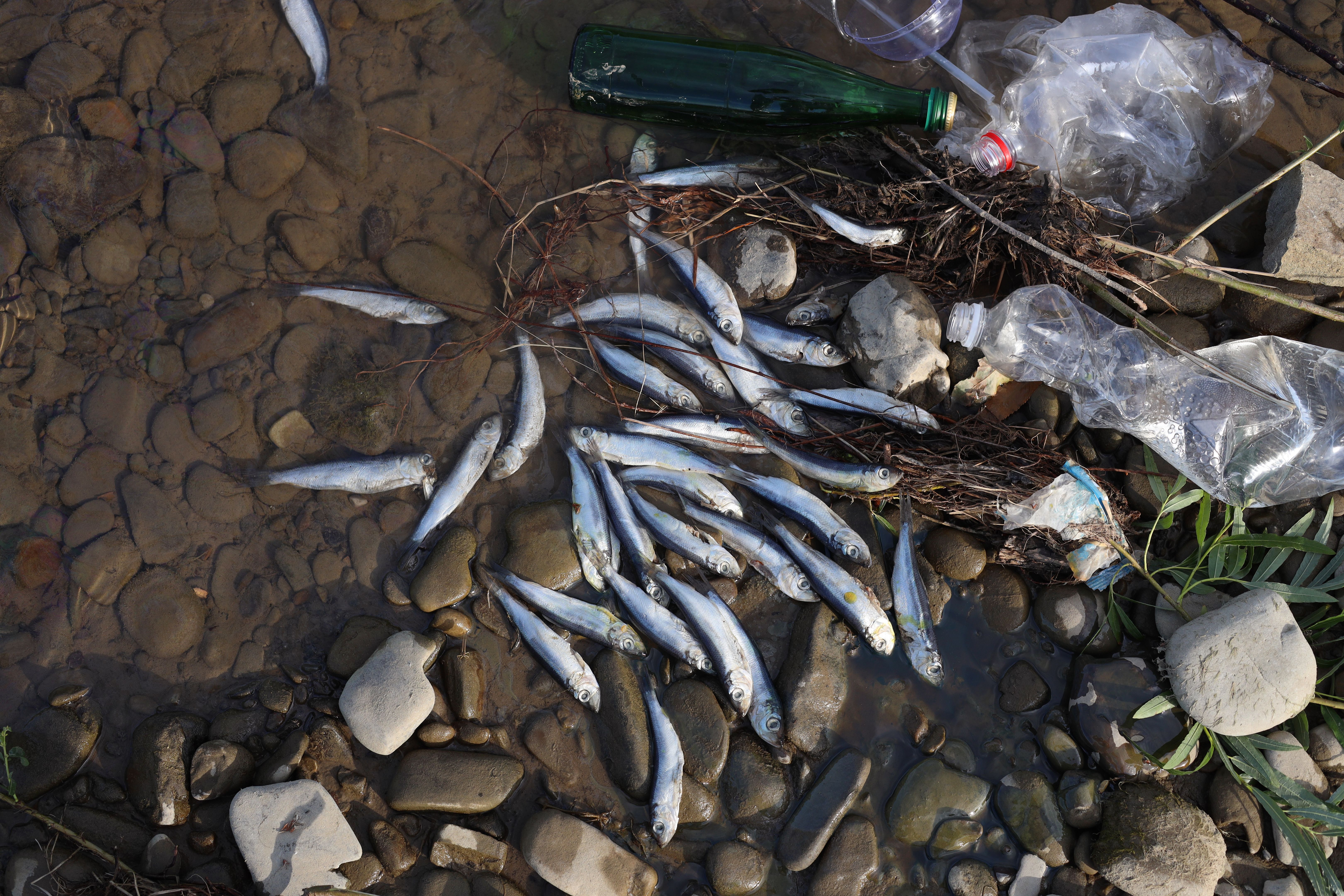
When news broke of the massive fish kill on the Munster Blackwater, it hit hard across angling circles, rural communities and the wider agri-food sector. This was not a minor ecological event, it was the largest recorded fish kill in Irish history, and the scale of it demands more than a passing reaction.
What matters now is not just what happened but what it tells us about monitoring, response systems and the future of water protection in Ireland.
The Scale of the Loss
The incident affected up to 30 km of the river channel, along with stretches of the Awbeg and Clyda.
The confirmed ecological impact was:
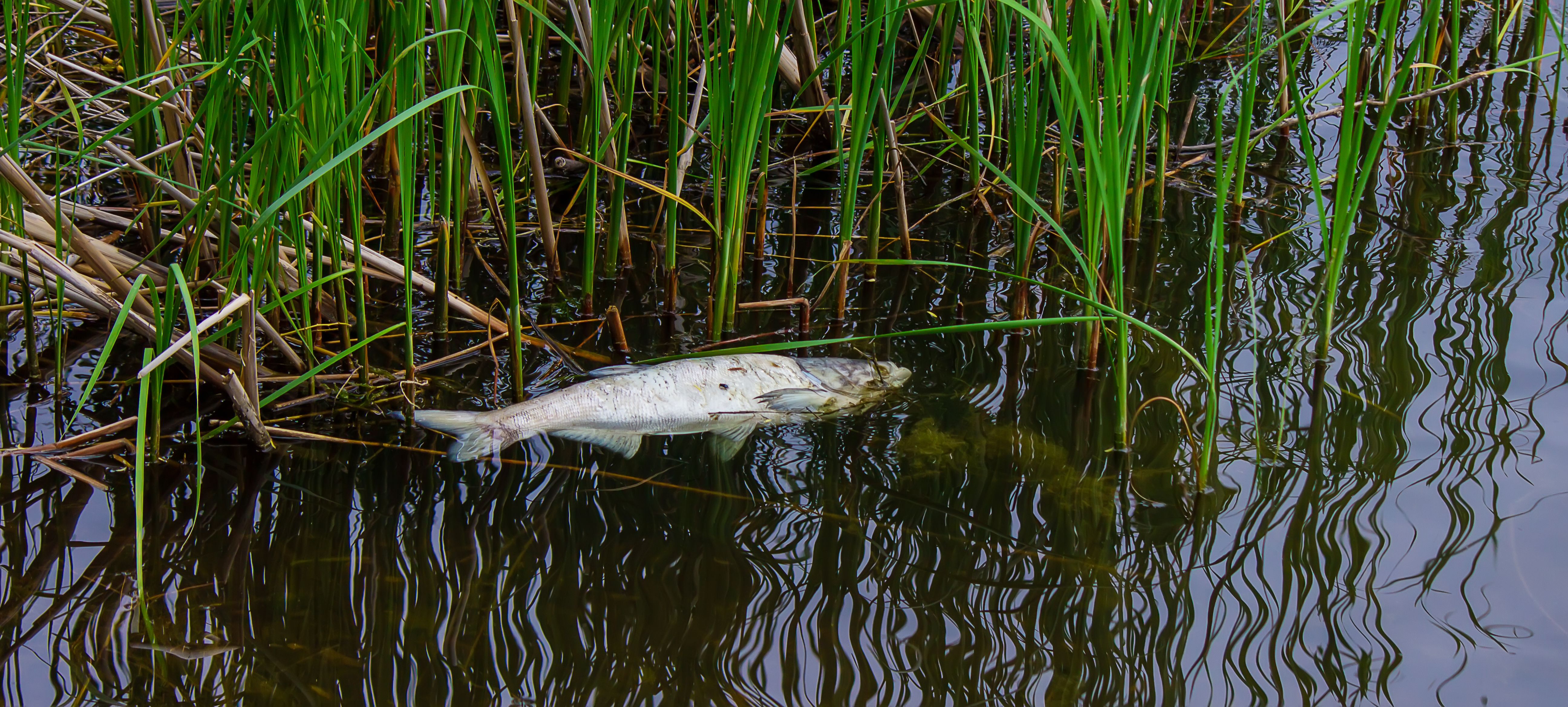
- 41,801 fish killed.
- Up to 32,178 salmon and brown trout.
For a river internationally recognised for its salmonid stocks, that represents the loss of multiple year classes of fish and a recovery timeline measured in years rather than seasons.
This was not simply an environmental issue as the Blackwater supports angling tourism, local employment and rural business activity. A collapse in fish stocks feeds directly into lost economic activity in the surrounding area.
A Strong Response — But Too Late to Capture the Evidence
The scientific review found that once agencies were alerted, the response on the ground was immediate:
- Three EPA inspection teams were deployed within an hour.
- 31 facilities were sampled and assessed as part of the investigation.
In total, the investigation required:
- 1,170 staff hours.
- At a cost of €42,722.50.
- With 81 % of that cost going on internal resources.
Despite that effort, no definitive source was identified.
The reason lies in the timeline.
The pollutant, believed to have been a short-lived waterborne irritant, likely entered the river around 72 hours before the first fish mortalities were observed and had dissipated by the time samples were taken.
More critically, the EU review found that five to six days passed before the authorities were alerted to the event. In a flowing river system, that delay meant the key evidence was gone before the investigation properly began.
A Catchment Under Pressure
The review also highlighted the wider context: the river system was already operating under environmental pressure.
While several industrial facilities in the area were found to be in breach of their licences, none were directly linked to the fish kill itself. That distinction matters, but so does the broader point.
Rivers carrying cumulative pollution loads have less capacity to absorb a shock event.
When water levels are low and background pressures are high, a single short-duration incident can have catastrophic ecological consequences.
Why This Matters for Irish Agriculture
Everything that happens in a river begins in the catchment.
That includes:
- Nutrient movement.
- Soil loss.
- Wastewater discharges.
- Industrial activity,
and land-management practices.
Even when agriculture is not the direct cause of an incident, it forms part of the wider system that comes under scrutiny.
Events like this intensify the national focus on water quality and increase pressure for stronger monitoring, faster enforcement and more robust compliance structures.
That has direct implications for how farming operates in catchments across the country.
The Most Important Recommendation: Real-Time Monitoring
Among the clearest outcomes from the review was the call for:
- Continuous automated monitoring on major rivers.
- Public access to real-time water-quality data.
- A single lead agency for future incidents.
- The development of trained local personnel capable of capturing evidence immediately.
These are not abstract proposals, They address the central failure in this case, the time gap between the pollution event and the start of the investigation.
With real-time monitoring, a delay of five or six days becomes a matter of hours, and in river protection, hours are everything.
Recovery Will Be Measured in Years
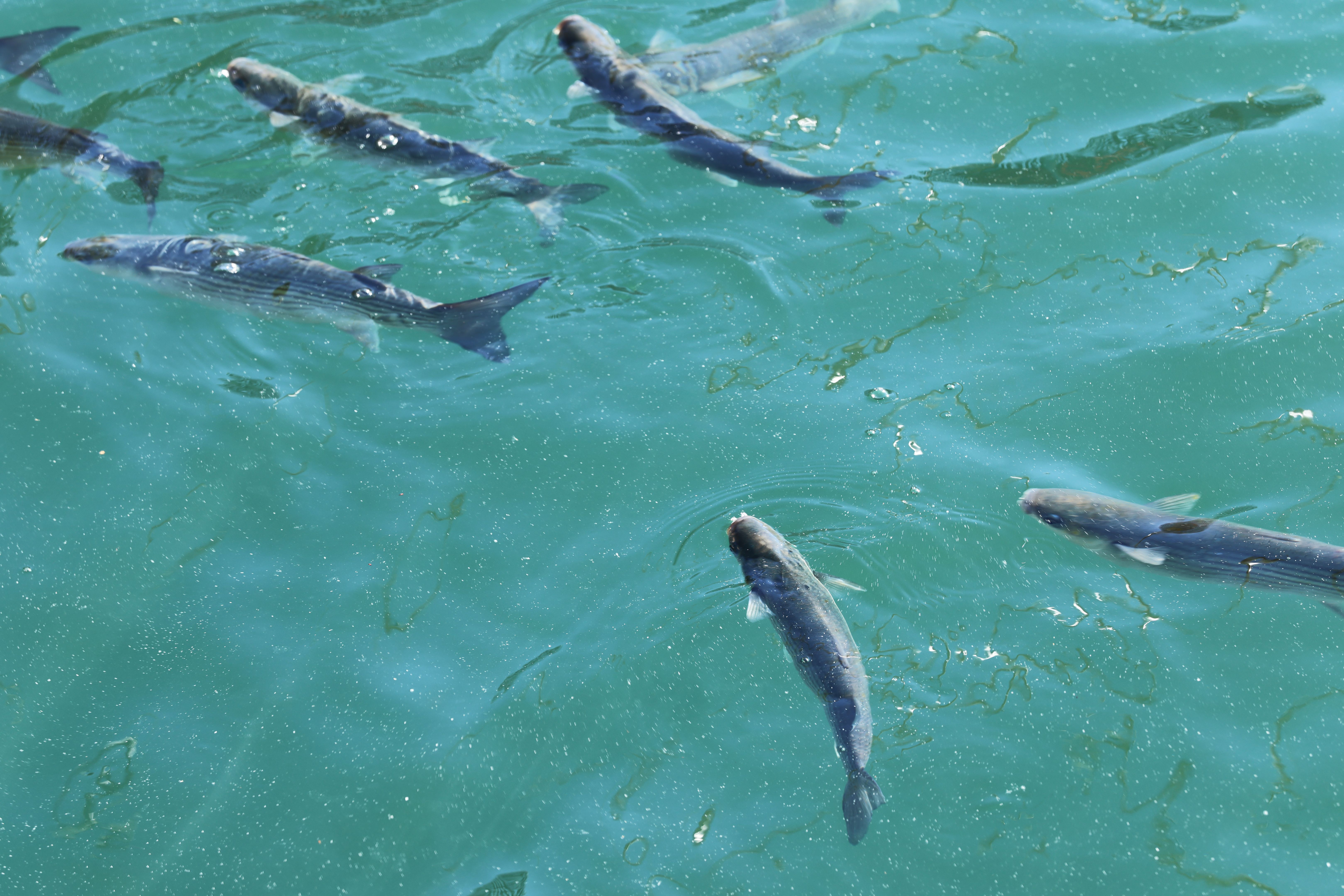
The loss of over 41,000 fish, including tens of thousands of salmon and trout, is not something that can be reversed quickly.
For migratory species in particular, the loss of juvenile cohorts means:
- Fewer returning adults in future years.
- reduced spawning.
- A long ecological recovery curve.]
For the local economy, that translates into fewer visiting anglers and reduced revenue for businesses that depend on a healthy river.
The Bigger Lesson
The most striking feature of the Blackwater incident is not the scale of the response, it is the fact that the system could not identify the source of the pollution despite a major, multi-agency investigation. That undermines confidence.
Not just for anglers or environmental groups, but for farmers, processors, and every business operating in a regulated catchment.
Because without rapid detection and clear accountability, the pressure for tighter controls inevitably increases across all sectors.
Conclusion
The Blackwater fish kill is not just a story about one river. It is a case study in how vulnerable our water systems are when monitoring lags behind pressure.
The figures, 41,801 fish lost, 30 km of river affected, five to six days before the alarm was raised, tell a clear story. Ireland does not lack environmental standards, it lacks real-time visibility.
If continuous monitoring and faster response systems come from this event, the long-term legacy may be stronger protection for rivers and greater certainty for everyone working in the catchment.
Because in the end, healthy rivers are not only an environmental asset, they are a foundation for rural economies, food production and the credibility of Ireland’s entire agri-food sector.
*By Anne Hayden MSc., Founder, The Informed Farmer Consultancy.