
Ireland’s Seaweed Industry at a Crossroads — Opportunity, Ownership and Coastal Livelihoods


Introduction
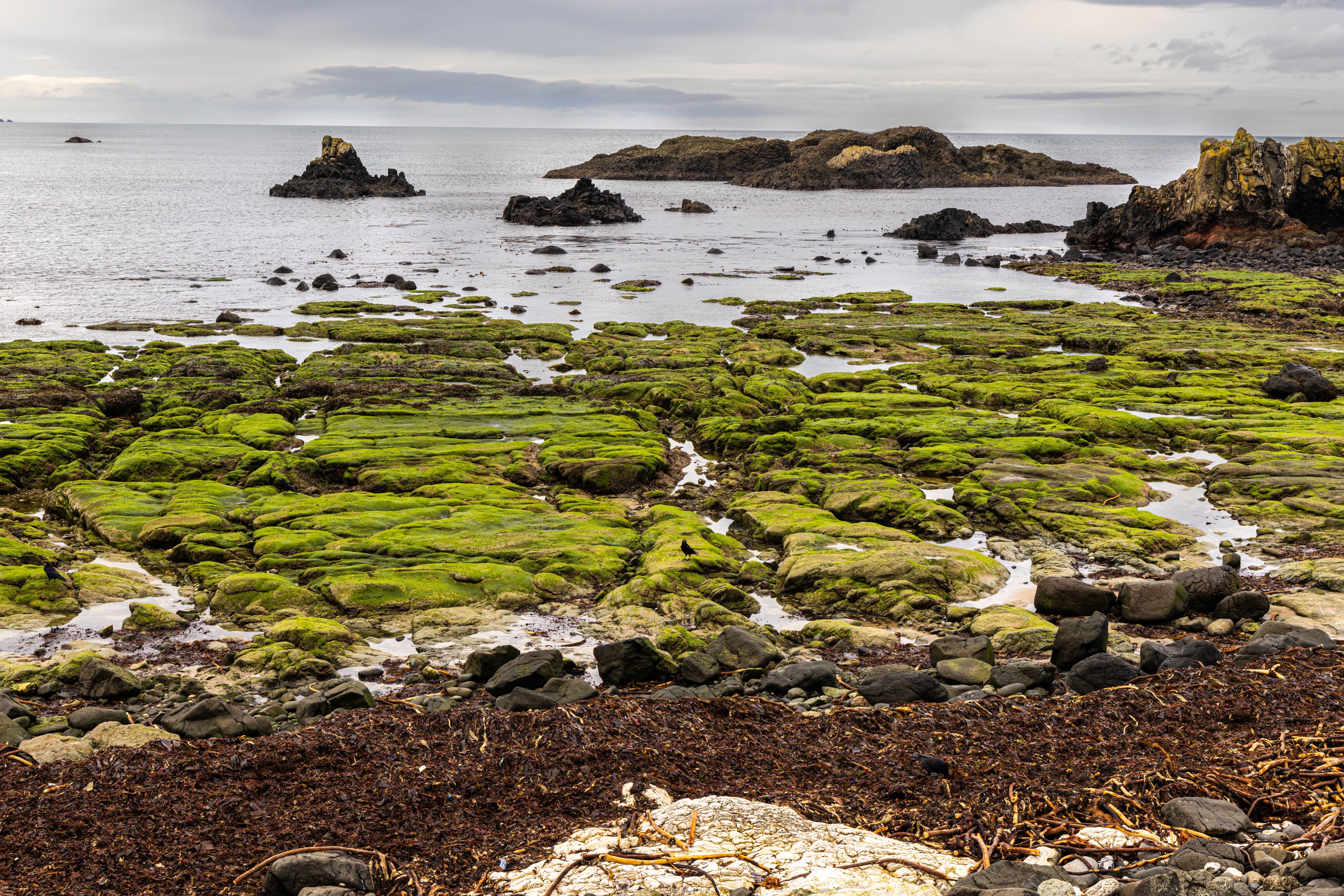
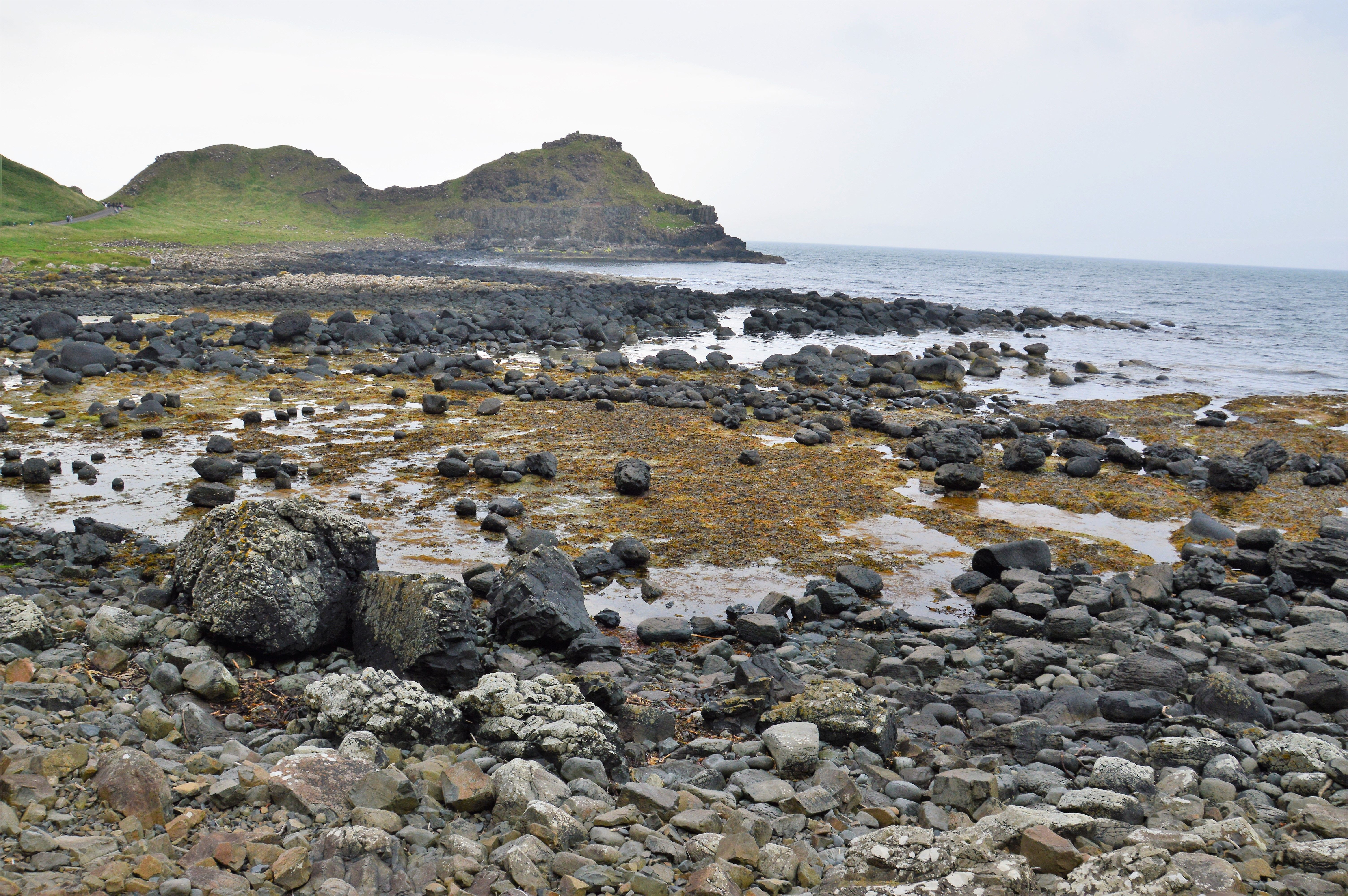
For years now, seaweed has been talked about as the next big thing for Ireland’s coastal economy. On paper, the case is hard to argue with. We’re an island with roughly 7,500 km of coastline, sitting beside clean Atlantic water, while the global market for seaweed products is expected to be worth around €22 billion by 2028.
That sounds like the kind of opportunity countries build whole sectors around. And yet, when you look at the reality on the ground, the Irish industry is still tiny, worth about €495,000, producing just 496 tonnes of biomass. That gap between potential and reality is what’s driving the current tension. The argument isn’t really about seaweed. It’s about who gets to shape what happens next.
A Big Resource, a Very Small Industry
The strange thing about the Irish seaweed conversation is that everyone agrees on the fundamentals:
- We have the coastline.
- We have the species.
- We have the research capacity.
- We have global demand moving in our direction.
Seaweed is already being used in everything from food ingredients to agricultural biostimulants, animal feed trials, cosmetics and biodegradable materials. It sits right in the middle of the bioeconomy discussion, low-carbon, renewable, and, in production terms, remarkably efficient.
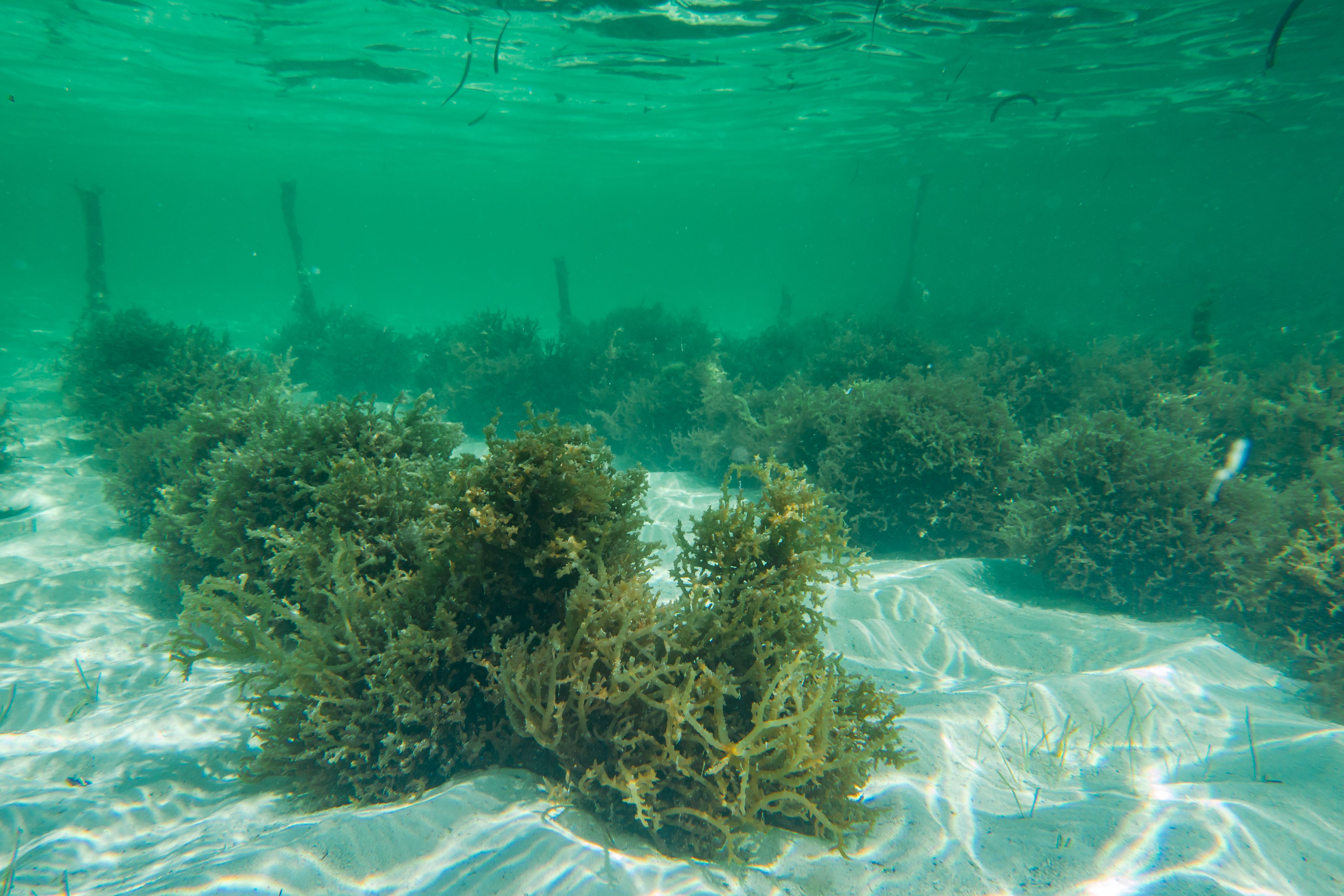
Because seaweed grows in seawater, it doesn’t need freshwater or fertiliser to grow, and when it’s cultivated properly it can take nutrients out of the surrounding water and support the wider marine environment.
In a country trying to balance food production with environmental targets, that’s not a small detail.
But none of that changes the fact that, economically, the sector here is still in its infancy.
The Row That’s Really About Trust
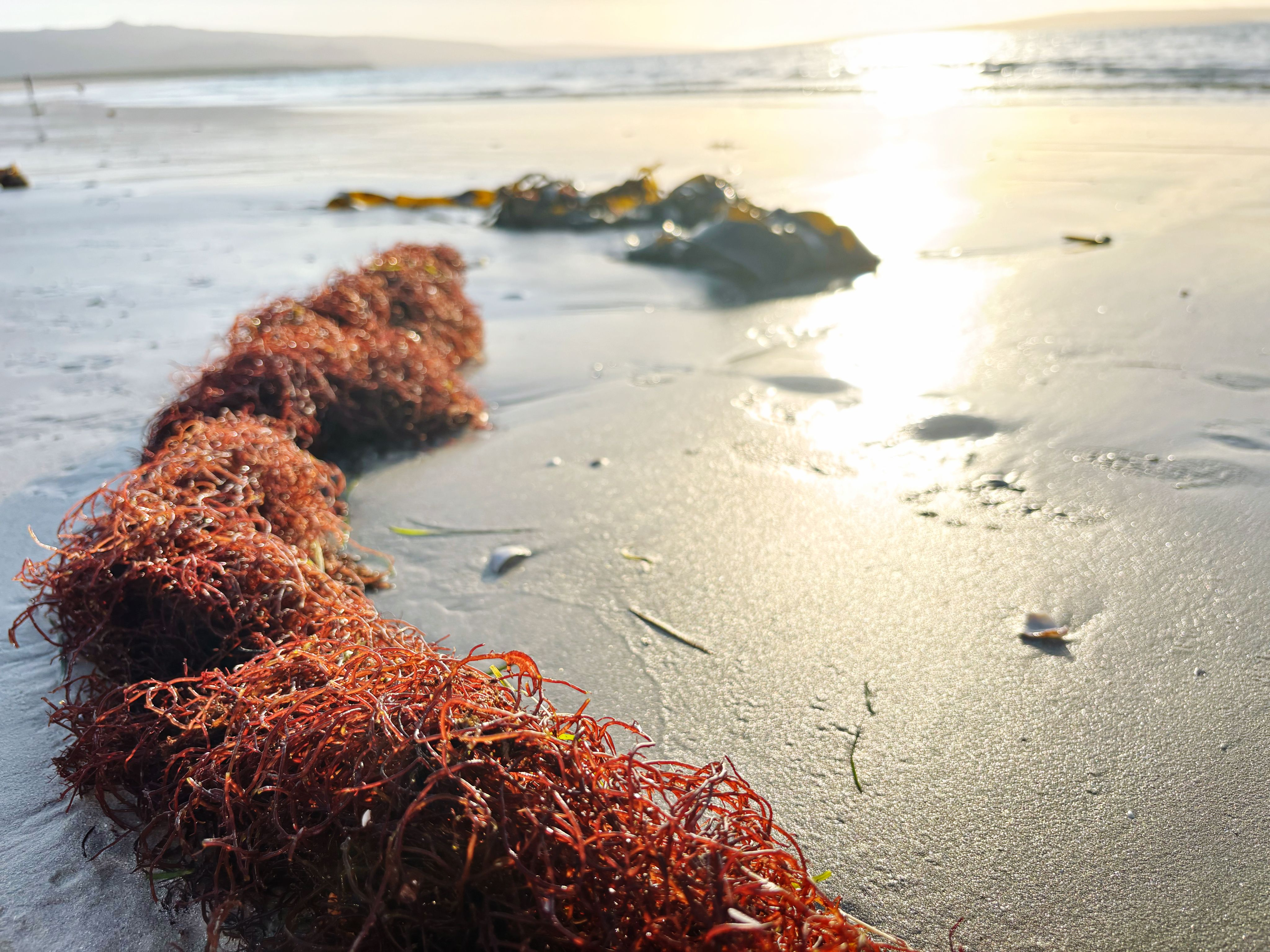
The current dispute over cutting rights has been framed as a licensing issue. Technically, that’s true. In reality, it’s about something deeper, control, access and where the value ends up.
For people who have been harvesting seaweed along the same stretches of coast for generations, this isn’t an abstract policy debate. It’s about whether an industry that has always been small-scale and local is about to become something very different.
Once large licences enter the picture, the balance shifts. That’s not unique to seaweed, we’ve seen the same thing in forestry, in fishing, and in parts of agriculture. Scale changes who participates, and more importantly, who benefits.
And the fear along the coast is simple enough: if the processing and the profit move somewhere else, the resource will still be here, but the economic life built around it won’t.
Why the Economic Side Matters
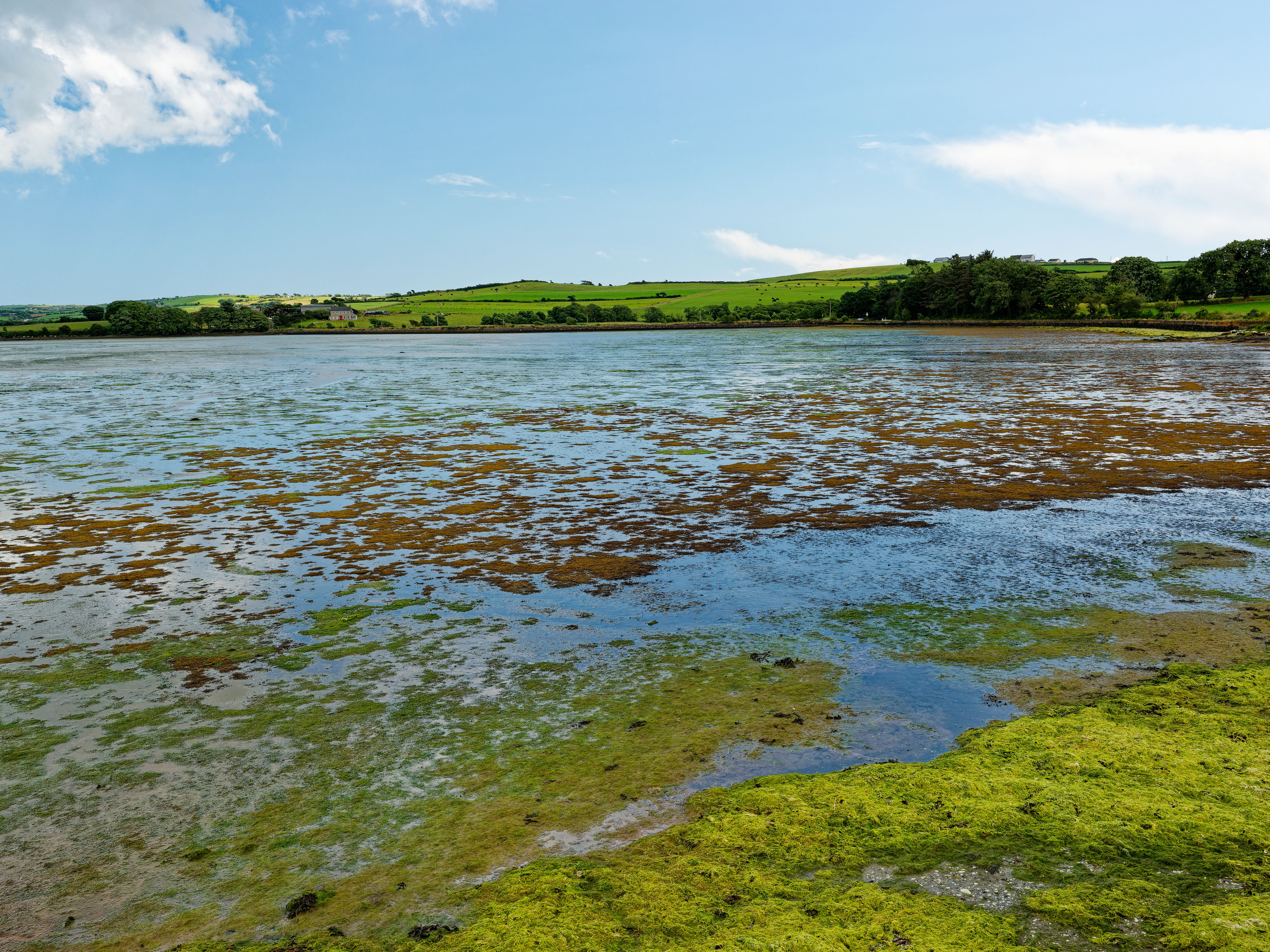
Seaweed has a habit of being talked about as if it’s just an environmental story. It isn’t. If it develops properly, it can create year-round marine employment in places where work is often seasonal. It can supply inputs into Irish agriculture, particularly in the area of soil health and reducing reliance on synthetic products. It can anchor processing activity in coastal regions that have been losing traditional industries for years.
That’s why the structure of the industry matters so much at this early stage. Because once a model is set, it’s very hard to change.
The Real Bottleneck — We’re Still Harvesting the Old Way
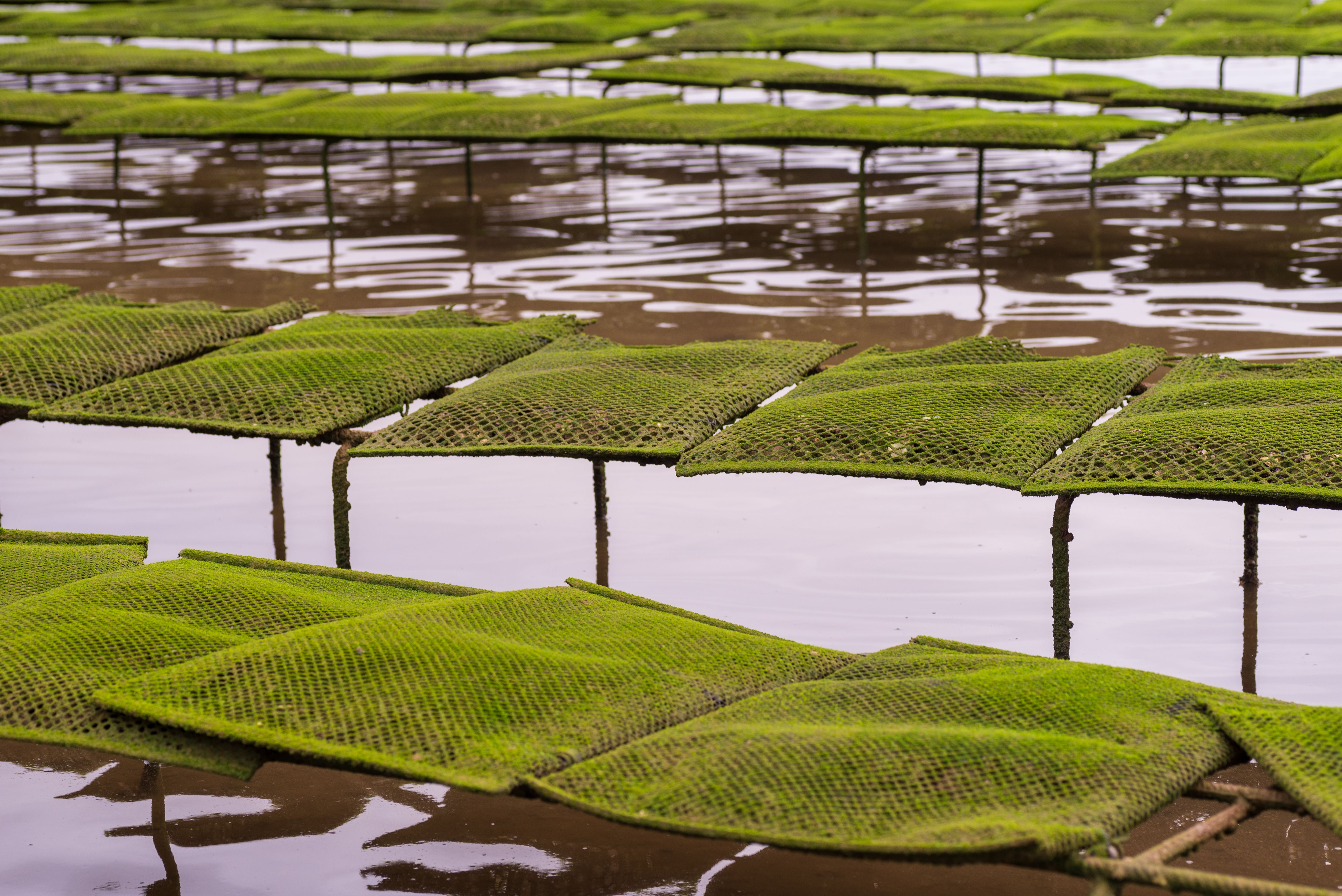
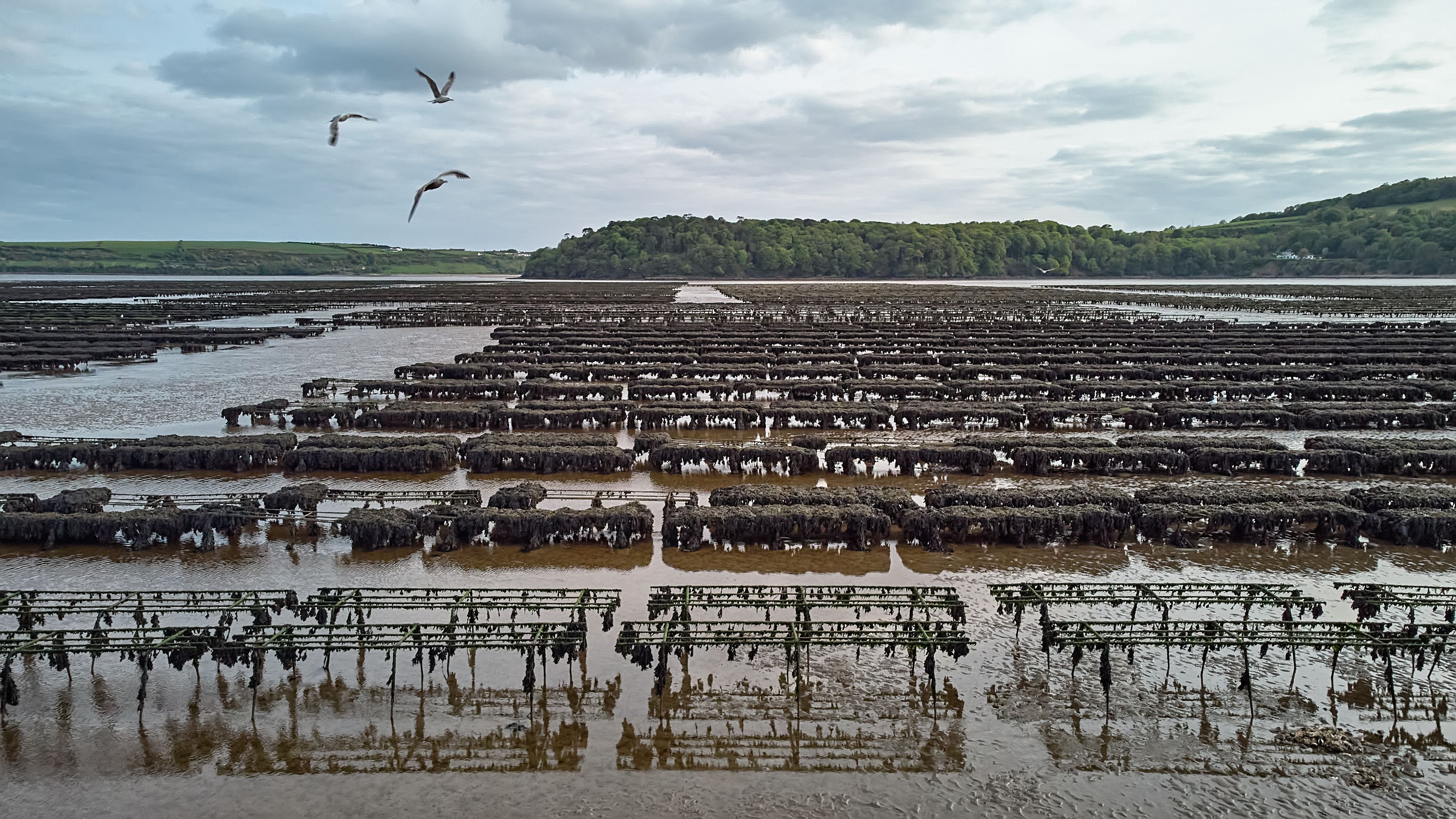
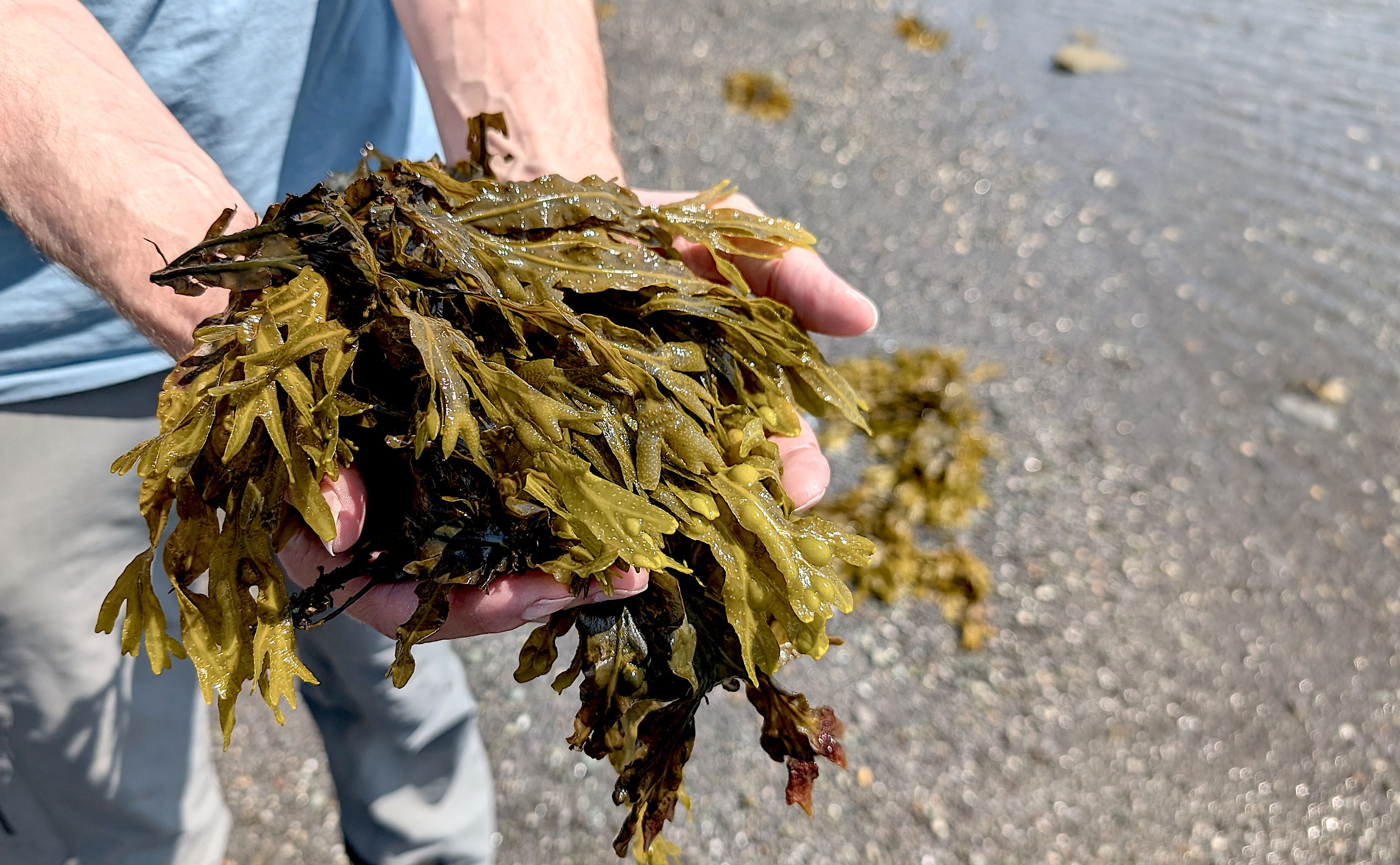
One of the least talked-about realities is that Ireland still relies heavily on wild harvesting, while most of the global industry is based on cultivation.
Cultivation brings consistency. It brings scale. It justifies investment in processing and product development. Without it, you’re supplying raw material in small volumes and watching the higher-value activity happen somewhere else.
The national strategy already acknowledges this, hatcheries, native species development, a clearer licensing pathway for farms. All of that is understood.
But until those pieces move at speed, the sector stays where it is: full of promise, short on output.
A Familiar Story — Just at Sea Instead of on Land
For farmers reading this, there’s a strong sense of déjà vu.
The questions are the same ones that have come up in Irish agriculture time and again:
- Who owns the resource?
- Who carries the risk?
- Who adds the value?
- Who keeps the jobs?
And maybe most importantly, do local communities become central to the new model, or do they become spectators?
Seaweed just happens to be the marine version of that conversation.
The Governance Problem No One Can Ignore
Talk to anyone trying to develop a project in this space and the same issue comes up: time.
- Licensing takes too long.
- Responsibility is spread across too many bodies.
- Investment stalls while decisions crawl forward.
In that vacuum, suspicion grows, and once that happens, even good proposals struggle to gain trust. It’s not that Ireland lacks a plan, it’s that the system moves more slowly than the opportunity.
So What Happens Next?
That’s the real question because the sector will grow, the global demand is too strong, and the climate and bioeconomy agendas are pushing in the same direction.
The choice isn’t whether development happens, it’s what shape it takes.
If it links production, processing and research to coastal regions, seaweed could become one of the few genuinely new income streams for those communities.
If it becomes an extractive model, where raw material leaves and value is added elsewhere, then the coastline will look the same, but the opportunity will have passed.
Conclusion
Right now, Ireland’s seaweed industry is small enough that its future is still up for grabs. That won’t be the case for long.
The hard numbers, €495,000 in output, 496 tonnes produced, a global market heading towards €22 billion, tell you everything you need to know about the scale of the gap and the scale of the opportunity.
What happens next will decide whether seaweed becomes a locally rooted coastal industry or just another resource developed at a distance from the people beside it.
And that decision, more than any individual licence, is the one that really matters.
*By Anne Hayden MSc., Founder, The Informed Farmer Consultancy.