
Exploring Ireland's Poultry Industry: A Modern Agricultural Success


Understanding Ireland's Poultry Industry: A Modern Success Story in Irish Agriculture
When people think of Irish agriculture, dairy cows, beef cattle and sheep often dominate the conversation. Yet one of the country's most efficient and fastest-growing livestock sectors is poultry.
Every year, millions of chickens and billions of eggs pass through Ireland's poultry supply chain, helping to feed consumers at home and abroad. Behind this success lies a highly specialised industry built on modern technology, strict biosecurity, continuous animal welfare monitoring and significant investment.
Although poultry accounts for only around 2% of Ireland's total agricultural output, it supports approximately 6,000 jobs across farming, hatcheries, feed manufacture, veterinary services, processing, transport and food production. As consumer demand for poultry continues to grow, the industry is becoming an increasingly important part of Ireland's agri-food economy.
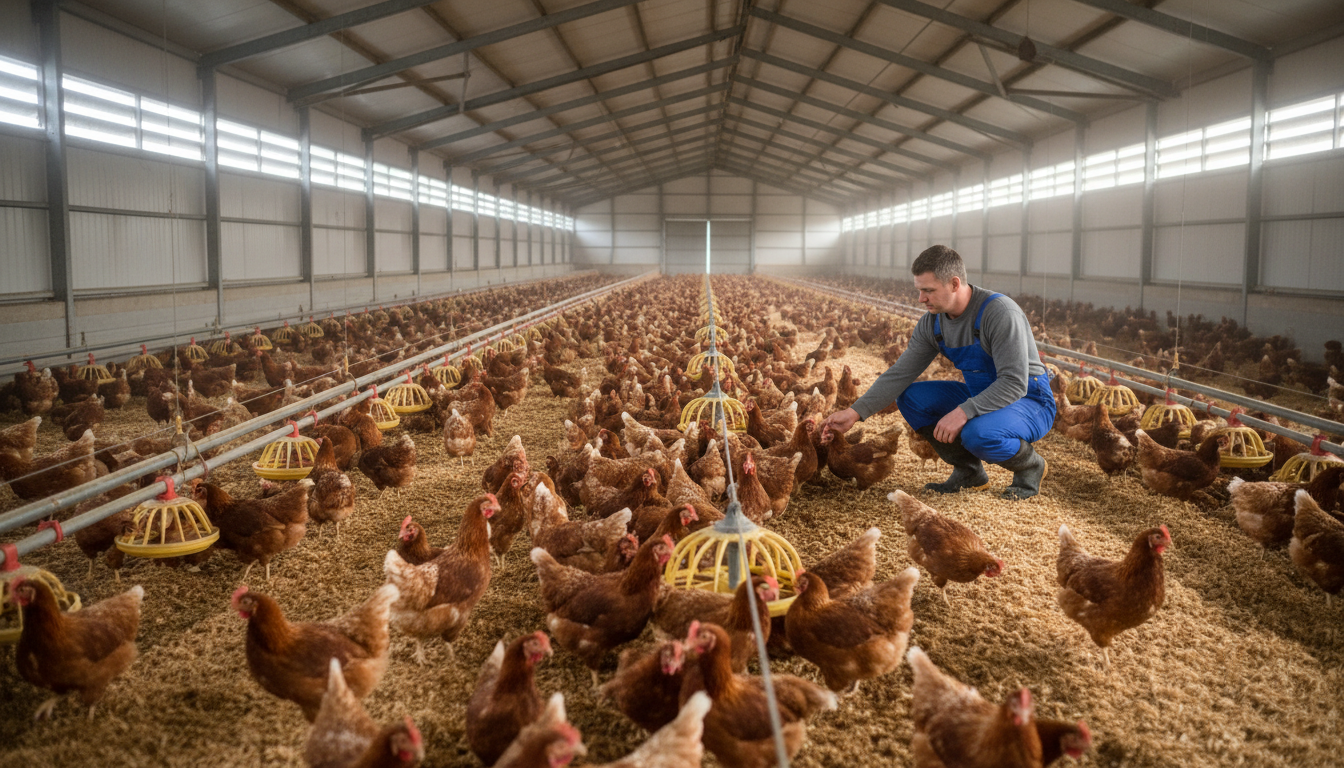
An Industry Bigger Than Many People Realise
The scale of Irish poultry production often surprises people.
According to the 2023 Farm Structure Survey, Ireland had more than 17.1 million poultry on farms, making poultry the country's largest livestock category by animal numbers.
The survey recorded:
- 17.14 million poultry
- 12.63 million table birds (broilers), representing 73.7% of all poultry
- 2.75 million laying hens
- 842,000 breeding birds.
- Poultry kept on 5,959 farms across Ireland
By comparison, Ireland had approximately:
- 7.34 million cattle
- 5.55 million sheep
- 1.75 million pigs
These figures highlight the sheer scale of the poultry sector within Irish agriculture.
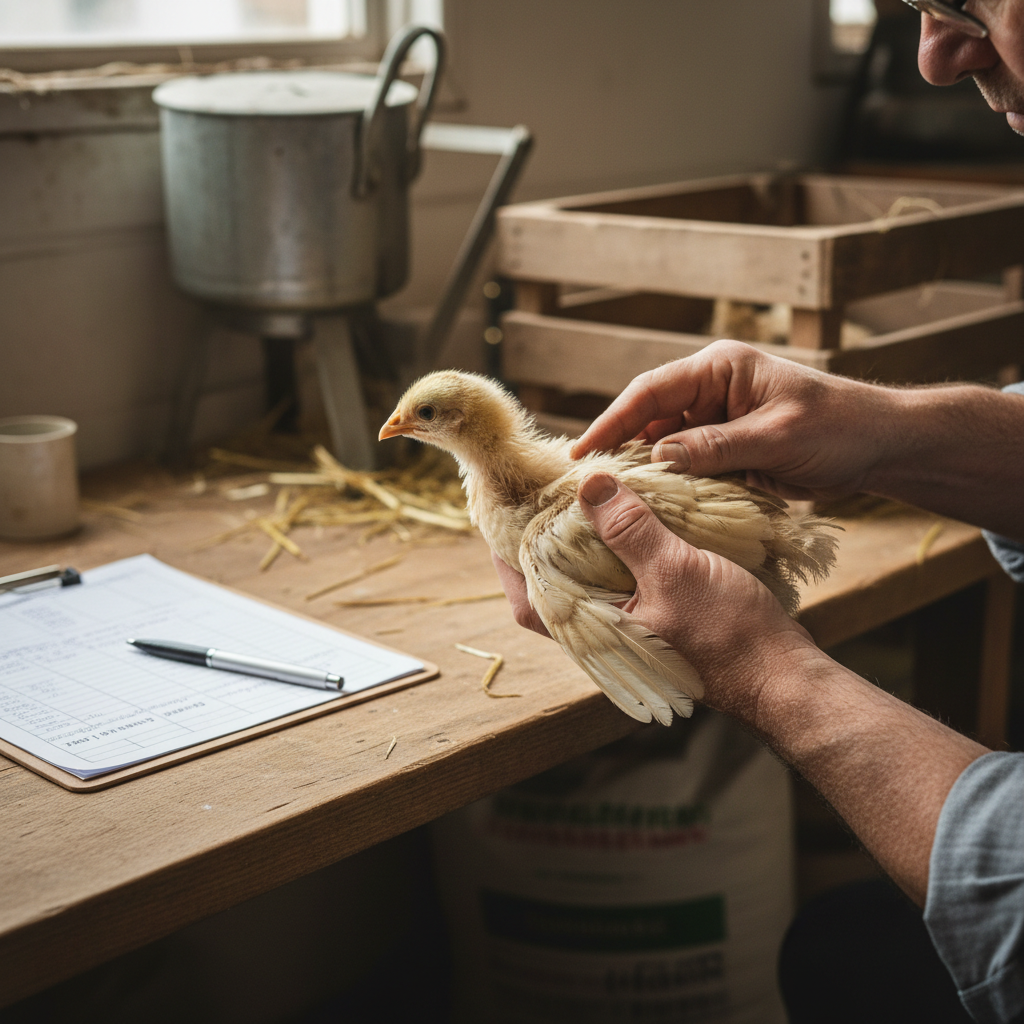
Poultry Production Continues to Grow
Consumer demand for poultry has increased steadily over recent years, driven by changing diets and the growing popularity of chicken as a versatile, affordable and lean source of protein.
This demand is reflected in production.
In 2025, Irish poultry production increased by 6%, with processing plants handling approximately 120 million birds during the year. Chickens accounted for 96% of birds processed, while ducks and turkeys made up the remaining 4%.
It is important to distinguish between the number of birds on farms at any one time and annual production. The 17.1 million birds recorded in the Farm Structure Survey represent a snapshot of the national flock, while the 120 million birds processed reflects multiple production cycles taking place throughout the year.
This efficiency allows Ireland to meet strong domestic demand while continuing to develop export markets.
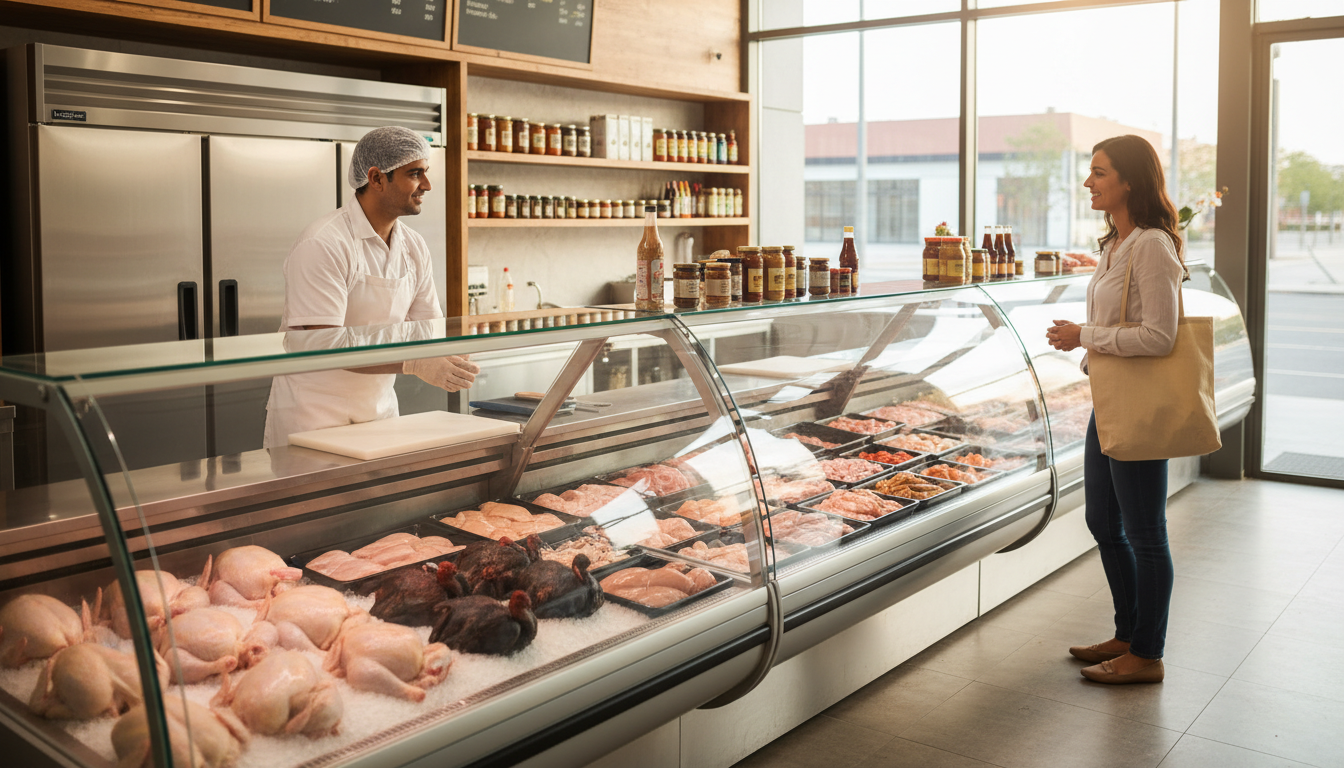
The Economic Contribution of Poultry Farming
Although poultry contributes around 2% of Ireland's agricultural output, its importance extends well beyond the farm gate.
The industry supports approximately 6,000 jobs across:
- Poultry farms.
- Hatcheries.
- Feed mills.
- Veterinary services.
- Processing plants.
- Transport and logistics.
- Food manufacturing
Irish primary poultry exports were valued at approximately €165 million in 2025, representing an 18% increase on the previous year.
The United Kingdom remains Ireland's largest export destination, while exports to EU and international markets continue to grow.
The sector therefore plays an important role in supporting rural employment, strengthening food security and generating export income for the wider economy.
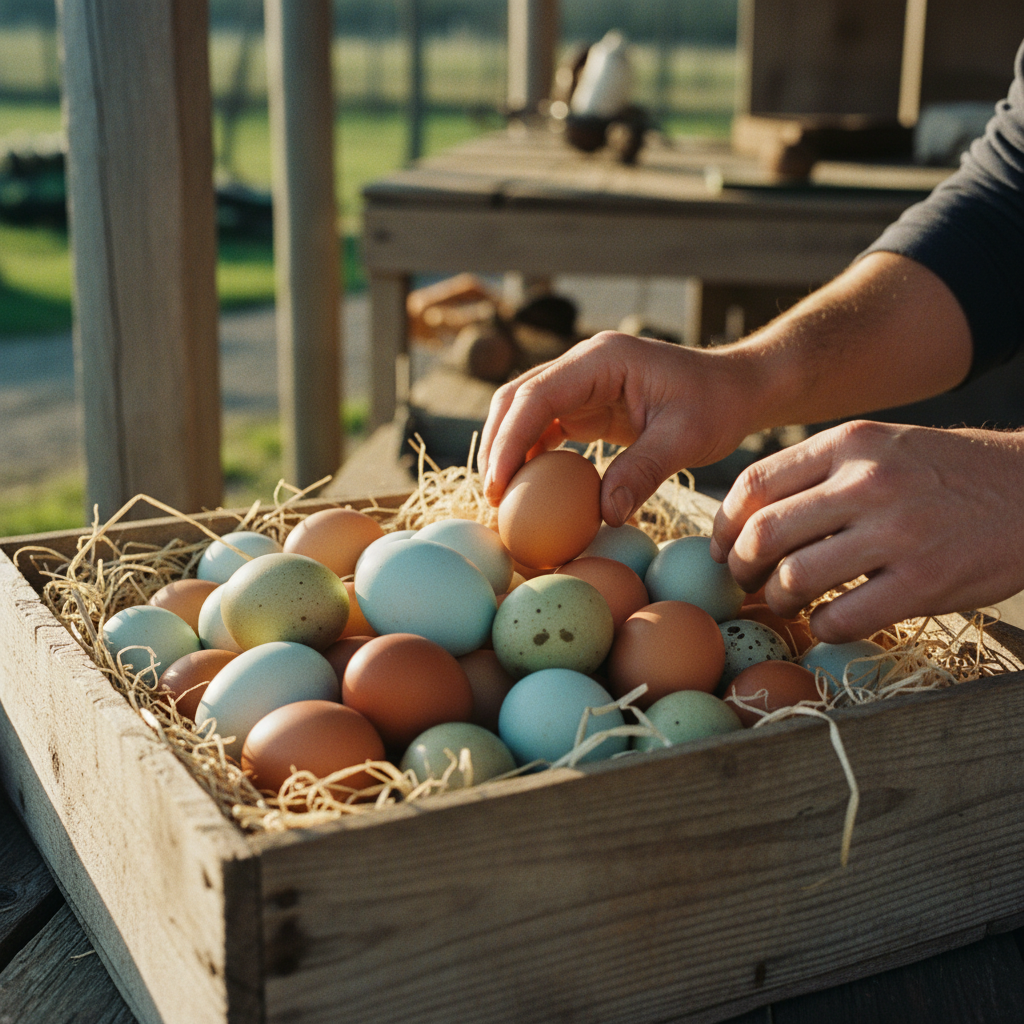
Where Is Poultry Farming Concentrated?
Commercial poultry production is not evenly spread across Ireland.
The Border region, particularly counties Cavan and Monaghan, is the centre of Irish poultry farming, accounting for approximately 67% of Ireland's poultry population, or around 11.5 million birds.
Additional centres of production have developed in counties Cork and Limerick, where established processing facilities, feed suppliers and experienced producer networks have helped the industry expand.
These regional clusters have allowed specialist knowledge, infrastructure and investment to develop, making Ireland's poultry sector internationally competitive despite the country's relatively small size.

More Than Just Chicken
Ireland's poultry industry is made up of several specialised sectors, each playing an important role within the food chain.
Broiler Production
Broilers account for almost three-quarters of all poultry in Ireland.
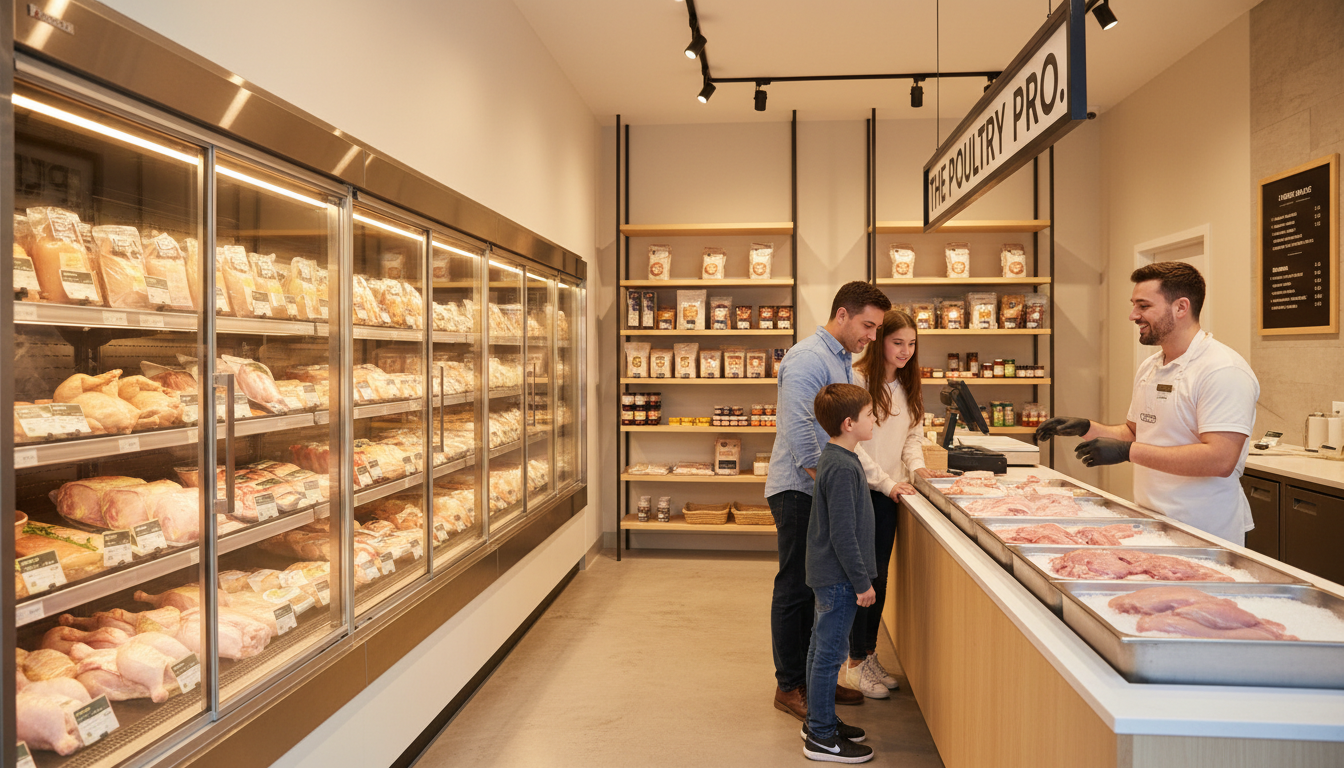
These birds are produced in modern, climate-controlled poultry houses where technology manages:
- Temperature.
- Ventilation.
- Lighting.
- Feed delivery.
- Water consumption.
- Air quality.
Automated systems continuously monitor growing conditions, helping farmers maintain high standards of welfare while improving efficiency.
Egg Production
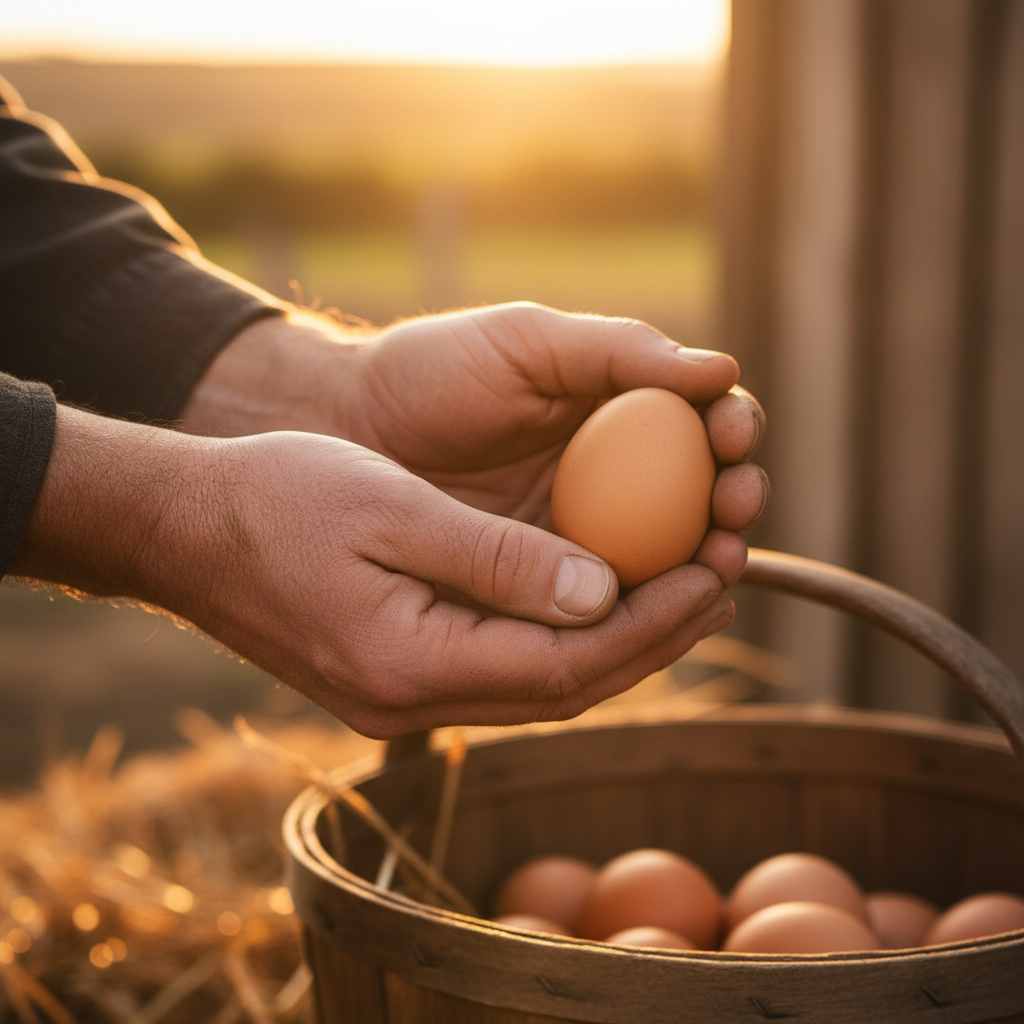
Ireland has almost 2.75 million laying hens, producing eggs for households, retailers and the food manufacturing industry.
Egg production takes place across several systems, including:
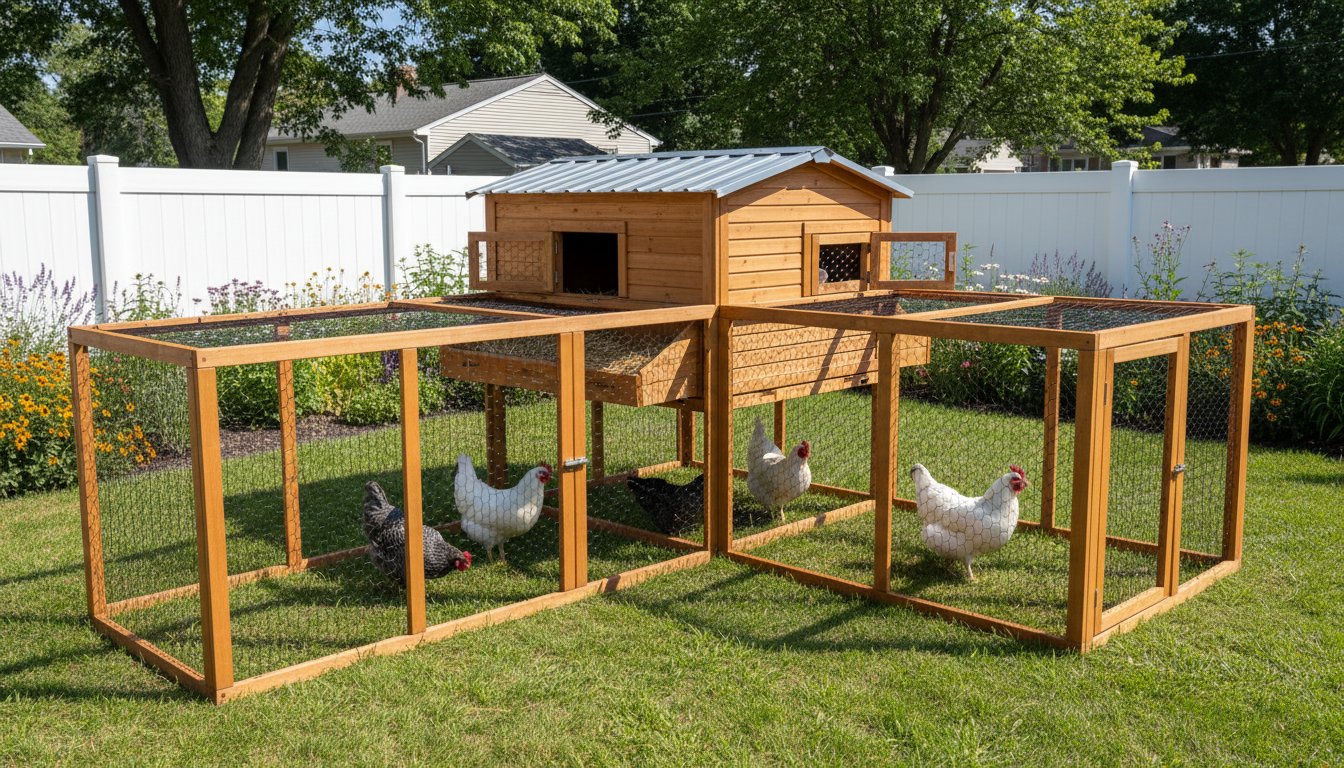
- Free-range.
- Barn.
- Organic.
- Enriched colony systems, where permitted under legislation.
Growing consumer demand for free-range eggs has encouraged continued investment in alternative production systems over recent years.
Breeding and Hatcheries
Behind every commercial poultry farm is a network of breeding enterprises and hatcheries that produce healthy day-old chicks.
These specialist businesses are essential to maintaining a consistent supply of high-quality birds throughout the year.
Technology Is Transforming Poultry Farming
Few sectors of Irish agriculture have embraced technology as rapidly as poultry farming.
Modern poultry houses increasingly rely on automated systems and real-time data to improve both productivity and animal welfare.
Many farms now use:
- Computer-controlled ventilation.
- Automated feeding systems.
- Climate monitoring.
- Water consumption sensors.
- Digital flock management software.
- Remote alarm systems.
- Precision environmental controls.
These technologies allow farmers to identify potential issues quickly while maintaining stable housing conditions throughout the production cycle.
The result is improved efficiency, better flock performance and higher welfare standards.
Biosecurity Remains the Industry's Top Priority
Disease prevention is one of the poultry sector's greatest responsibilities.
Recent outbreaks of Avian Influenza across Europe have demonstrated how quickly disease can spread if strict biosecurity measures are not maintained.
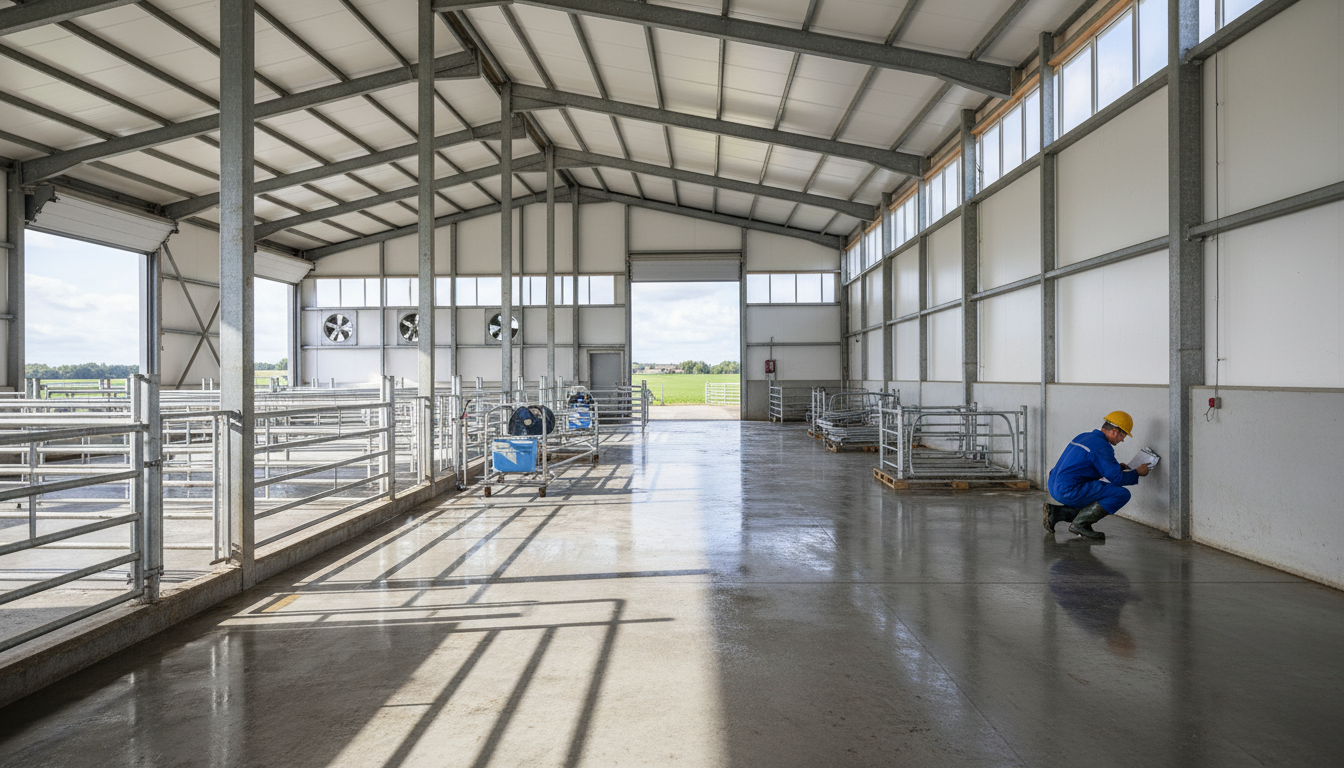
Irish poultry producers invest heavily in preventing disease through:
- Controlled visitor access.
- Vehicle disinfection.
- Protective clothing.
- Thorough cleaning and disinfection.
- Rodent and pest control.
- Continuous flock monitoring.
Strong biosecurity protects individual farms, neighbouring producers and Ireland's reputation as a supplier of safe, high-quality poultry products.
Sustainability Is Becoming Increasingly Important
Like every sector of Irish agriculture, poultry farming is adapting to changing environmental expectations.
Farmers are investing in:
- Improved feed efficiency.
- Energy-efficient housing.
- Renewable energy technologies.
- Better ventilation systems.
- Responsible nutrient management.
- Water conservation measures.
Poultry litter is also a valuable organic fertiliser when managed correctly, helping to recycle nutrients back into agricultural soils.
Many producers are now focusing on reducing their environmental footprint while maintaining productivity and high animal welfare standards.
Challenges Facing the Industry
Despite its success, the poultry sector faces several significant challenges.
These include:
- Rising feed prices.
- Higher energy costs.
- Labour shortages.
- Avian Influenza.
- Planning permission for new poultry houses.
- Increasing environmental regulation
Feed alone accounts for approximately 60–70% of poultry production costs, meaning fluctuations in global grain markets can have a major impact on profitability.
Maintaining competitiveness while managing these pressures will remain one of the industry's biggest challenges in the years ahead.

Looking to the Future
Demand for poultry products is expected to remain strong as consumers continue to seek affordable, nutritious sources of protein.
The industry is expected to continue investing in automation, precision livestock farming, animal welfare and environmental sustainability.
Innovation will play an increasingly important role in helping producers improve efficiency while meeting evolving consumer expectations and regulatory requirements.
For Irish poultry farmers, the future will depend on balancing productivity with sustainability, ensuring the sector continues to grow while maintaining the highest standards of food safety and animal welfare.
Conclusion
Poultry farming may not always attract the same attention as dairy or beef production, but it has become one of Ireland's most modern, efficient and economically important agricultural sectors.
With more than 17 million birds on Irish farms, 120 million birds processed each year, approximately 6,000 people employed and exports worth around €165 million annually, the industry plays a vital role in Ireland's food system and rural economy.
As technology advances, consumer demand continues to grow and sustainability becomes increasingly important, poultry farming is well placed to remain a key pillar of Irish agriculture.
For producers, the challenge will be to continue building an industry that is productive, profitable and resilient while maintaining the high standards that have earned Irish poultry an excellent reputation both at home and abroad.
*By Anne Hayden MSc., Founder, The Informed Farmer Consultancy.