
Digitising Your Farm: A Practical Guide to Stay Grounded


Introduction
You can’t open a farming magazine these days without being told that “the future is digital.” Sensors, dashboards, apps, drones; apparently, every farm is now a computer with grass on top.
A lot of this tech is useful, but plenty of it is pure fluff. Irish farmers don’t need gadgets that look good in brochures, they need things that save time, money, and grey hairs. Digitising your farm shouldn’t mean losing the run of yourself. It should just make the day run a bit smoother.
Start with the Problem, Not the Gadget
Teagasc and IFA Skillnet found that 46% of Irish farmers are already using some kind of digital technology, and another 40% said they’re open to using it in the future. That’s a strong signal, most farmers want to get more efficient; they just don’t want a laptop welded to the tractor.
So before buying anything, ask yourself: What’s the actual problem I’m trying to solve?
If it’s paperwork, get an app like Herdwatch or AgriNet, they cost a few hundred euro a year but will save hours in admin and compliance.
If fertiliser bills are creeping up, invest in soil testing and digital nutrient maps.
If time is your issue, simple sensors that text you when the water trough’s empty or the gate’s left open will do more for your sanity than any fancy dashboard.
Start small. Fix the pain points first. Let the tech earn its place on your farm.
The Good Stuff — Tools That Actually Pull Their Weight
Here’s what’s proving its worth on Irish farms right now, and roughly what it’ll set you back.
- Farm management apps: Expect to pay €150–€400 a year for most herd or crop software. They save hours every week on paperwork, inspection prep, and breeding records.
- Precision GPS systems: John Deere’s Precision Ag Essentials retrofit kit, which includes the display, receiver, and modem, runs at about €2,990 plus VAT, with an annual licence of around €2,990 for advanced features. Tillage farms often recoup that in under two years through lower diesel use and reduced overlaps.
- Soil testing and mapping: Full digital soil maps typically cost €25–€35 per acre, depending on your contractor. They help cut fertiliser waste and boost grass response, worth it on almost any system.
- Low-cost sensors: Handy bits of kit like temperature or gate sensors cost anywhere between €100 and €500 each, and they just text or ping you if something changes. Nothing fancy, just smart.
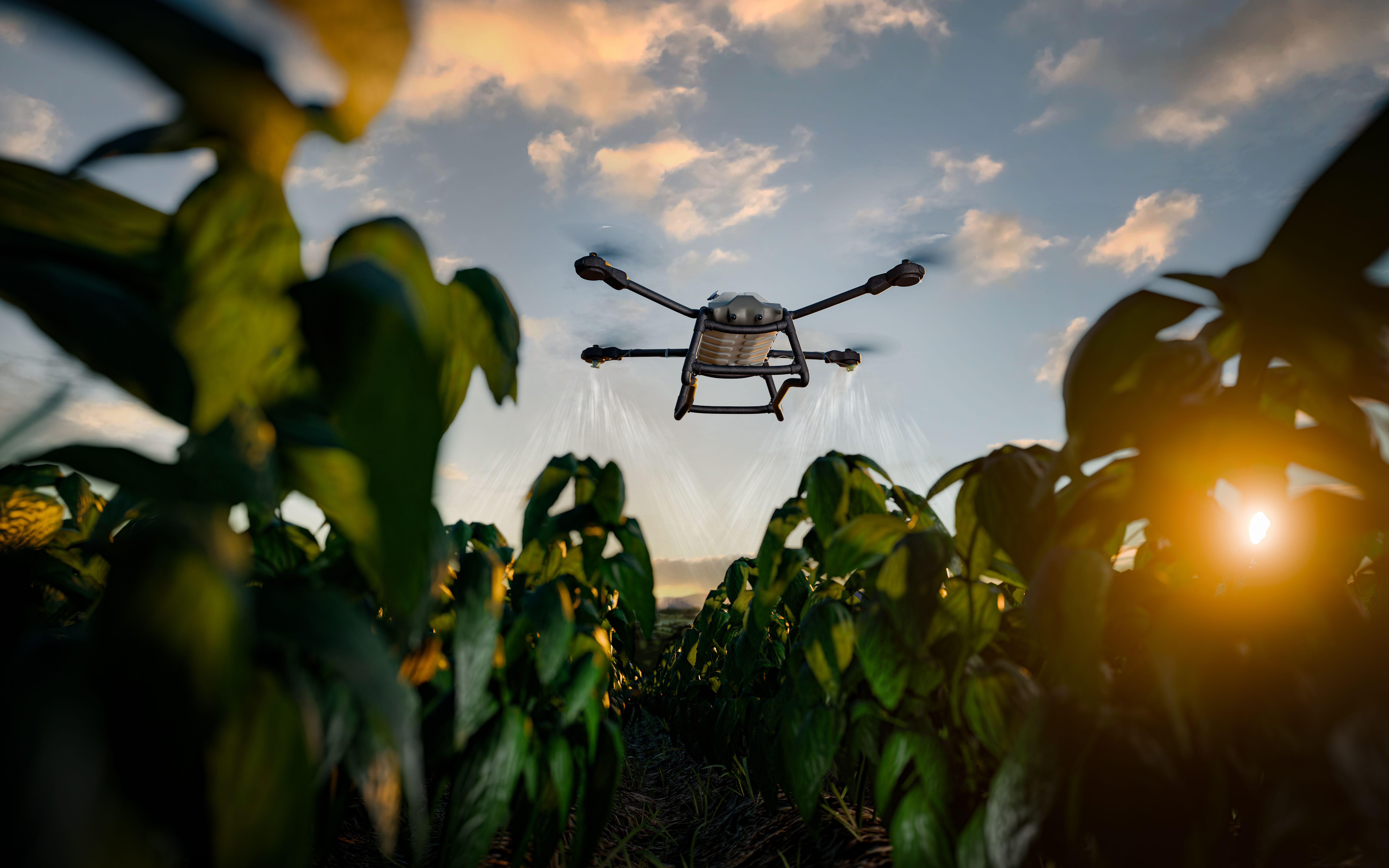
- Drones and imagery: Now, these are impressive, but they’re not for everyone. A high-end agricultural drone in Ireland will set you back €25,000–€35,000. And keep in mind that aerial spraying is tightly regulated, so they’re mostly for mapping, not chemicals.
If it doesn’t save you labour, fuel, or fertiliser, it’s probably not worth the money.
Avoid Tech That Solves Problems You Don’t Have
There’s no shortage of salesmen selling “revolutionary digital platforms.” Many of them have never set foot in a wet field in February.
If a gadget needs perfect broadband, constant software updates, or someone from overseas to log in and fix it, that’s not a solution, that’s a headache waiting to happen.
The OECD notes that high costs and lack of digital skills are still the biggest barriers to tech adoption on farms. That’s not a surprise. The problem isn’t that farmers are old-fashioned, it’s that some tech just isn’t built for the reality of rural Ireland.
So before you buy, ask yourself:
- Can I fix this myself if it breaks?
- Does it work offline?
- Will it actually save me money or just give me data I’ll never use?
If the answers aren’t clear, keep your wallet shut.
Think of Tech Like Machinery
You wouldn’t buy a new tractor because someone in a polo shirt said it’s “innovative.” You’d ask how it handles, what it costs to maintain, and whether it’ll last. Treat tech the same way.
A few bits of advice that work:
- Try before you buy: Most platforms will let you demo or test them.
- Ask someone local: A neighbour or discussion group will tell you what’s worth it, and what to avoid.
- Check compatibility: Make sure it links to ICBF, Bord Bia, or DAFM systems.
- Add gradually: One tool that works perfectly is better than ten you forget to use.
Why It Actually Matters
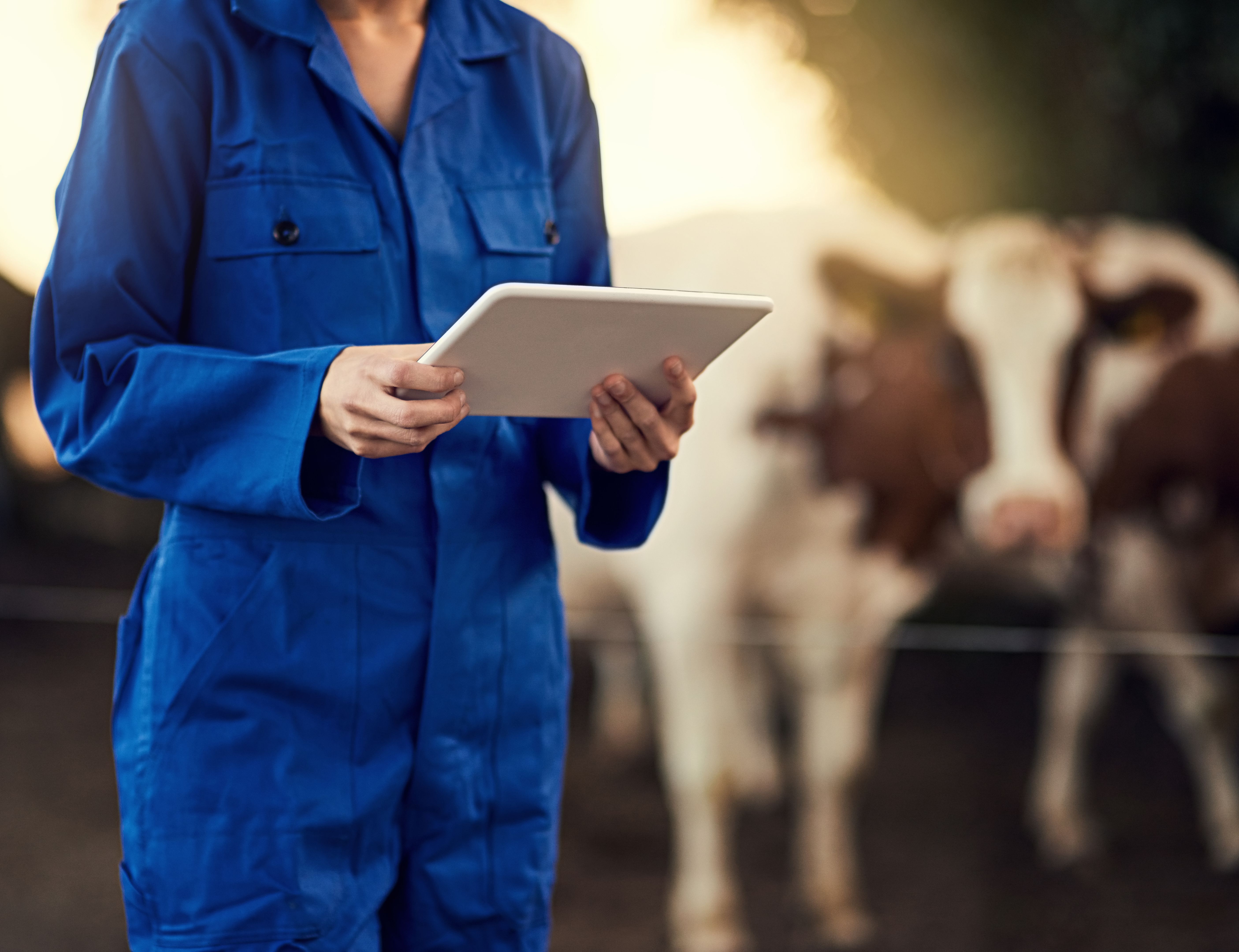
Digitisation isn’t about turning your farm into a science lab. It’s about freeing up time so you can make better decisions.
Ireland already leads in grass-based farming and traceability. The next competitive edge will come from data confidence, being able to show, with facts, what’s happening on your farm and why.
That doesn’t mean fitting Wi-Fi to every gatepost. It means picking the tools that work for your setup, your land, your stock, your broadband.
Conclusion
You don’t have to digitise your entire farm overnight, and you don’t need every shiny gadget that lands at the Ploughing. Start with something small that genuinely helps, see how it goes, and build from there.
The best technology in farming isn’t loud or flashy. It’s the stuff you hardly notice because it’s doing its job quietly in the background, saving time, reducing waste, and letting you focus on the real work.
So yes, go digital, but keep your feet on the ground. Use common sense, mind the budget, and don’t let anyone convince you that more gadgets equal more progress. The smartest farms aren’t the most high-tech ones. They’re the ones that use tech wisely, and still know when to leave the phone in the jeep.
*By Anne Hayden MSc., Founder, The Informed Farmer Consultancy.