
Biosecurity Challenges for Irish Fish Farmers: Sea Lice, Algal Blooms, and Extreme Weather


Introduction
Anyone working in Irish aquaculture will tell you the job has always depended on the sea’s temperament. But lately, the sea seems to be changing its mind more often, and in ways that make farming harder. Problems that once came and went with the seasons now feel like they’re overlapping: sea lice arriving earlier, algal blooms turning up in places they didn’t before, and weather patterns that don’t behave the way they used to.
This isn’t random misfortune. Ireland’s climate and surrounding waters are warming and shifting, and those changes are feeding directly into the pressures farmers face in the bays and inlets along the coast.
Ireland’s Waters Are Warming — And It’s Changing the Rules
Ireland as a whole is now about 0.7°C warmer and roughly 7% wetter than it was in the 1961–1990 period. That’s the backdrop, but the sea is telling its own story.
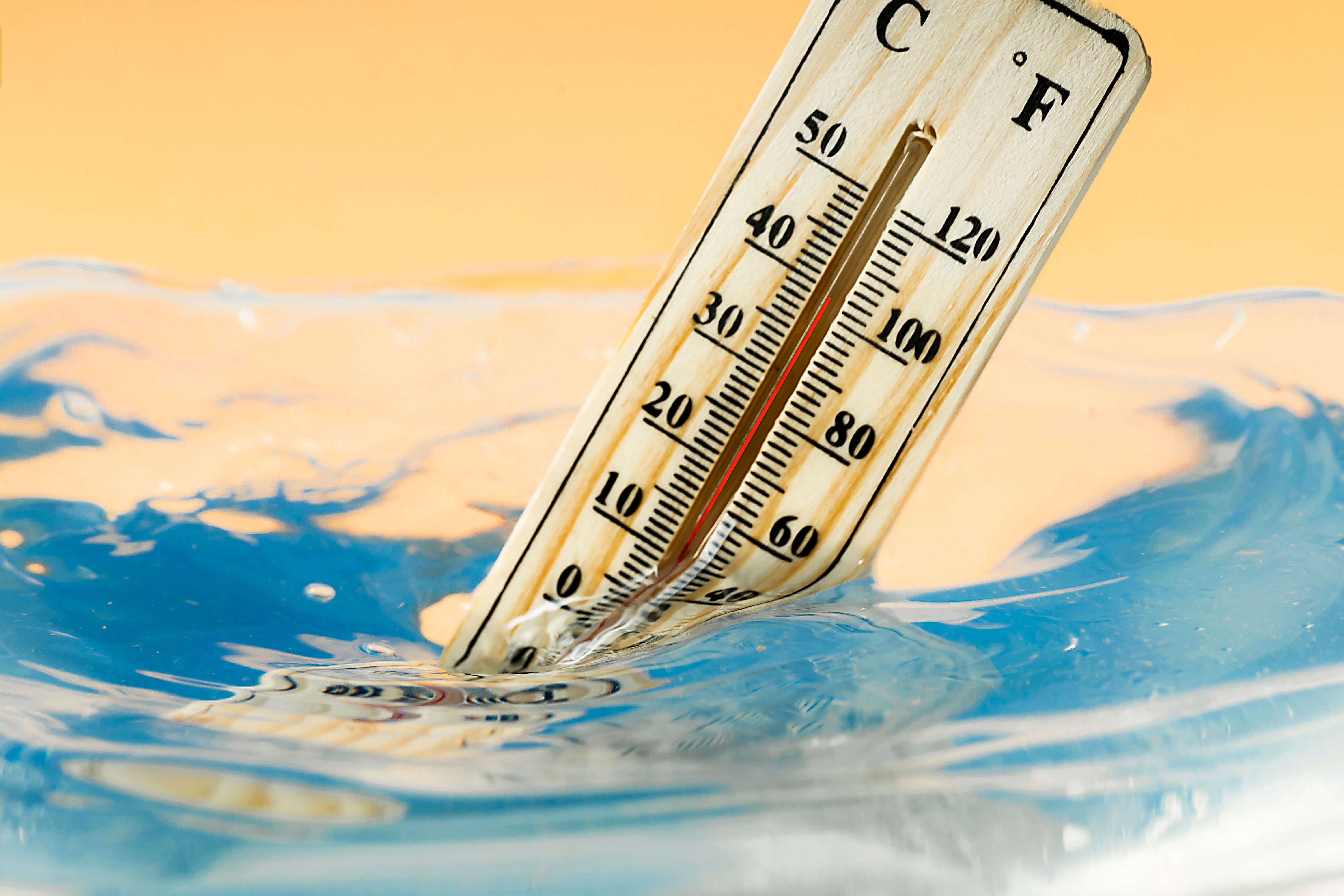
Global sea surface temperatures have climbed by around 0.88°C since the pre-industrial era, with about 0.6°C of that warming happening since 1980. The North Atlantic, including waters off Ireland, is warming at a pace that would have seemed unlikely a generation ago. In June 2023, sea temperatures off the southwest coast climbed to about 17.4°C, nearly 4°C above the long-term average for that time of year. Another marine heatwave in 2025 saw temperatures along stretches of the west and south coast run 3–4°C hotter than normal, classified at the “extreme” end of heatwave scales.
Across the globe, the number of marine heatwave days has increased by more than 50% over the last century. In nearby seas like the Celtic Sea, the odds of experiencing these events each year have risen sharply since the early 1990s. For fish farmers, this isn’t just scientific trivia, it’s the water their stock is breathing.
Sea Lice: A Small Parasite with a Big Advantage in Warm Water
Sea lice have always been part of the Atlantic ecosystem, but warmer waters are tipping the odds in their favour. Their development speeds up dramatically with temperature. At around 6°C, it can take roughly 72 days for a female louse to reach adulthood. At 21°C, it can take only 13 days, more than five times faster.
They still develop perfectly well in the mid-range temperatures we see in Irish waters, but the warmer the sea, the more generations they can squeeze into a season. And Ireland’s winters, which once reliably slowed lice down, simply aren’t as cold now.
It’s little wonder farmers are seeing lice pressures building earlier in the year and lasting for longer. A parasite that used to be a predictable nuisance has become a moving target.
Algal Blooms: A Growing Risk in Warm, Stratified Seas
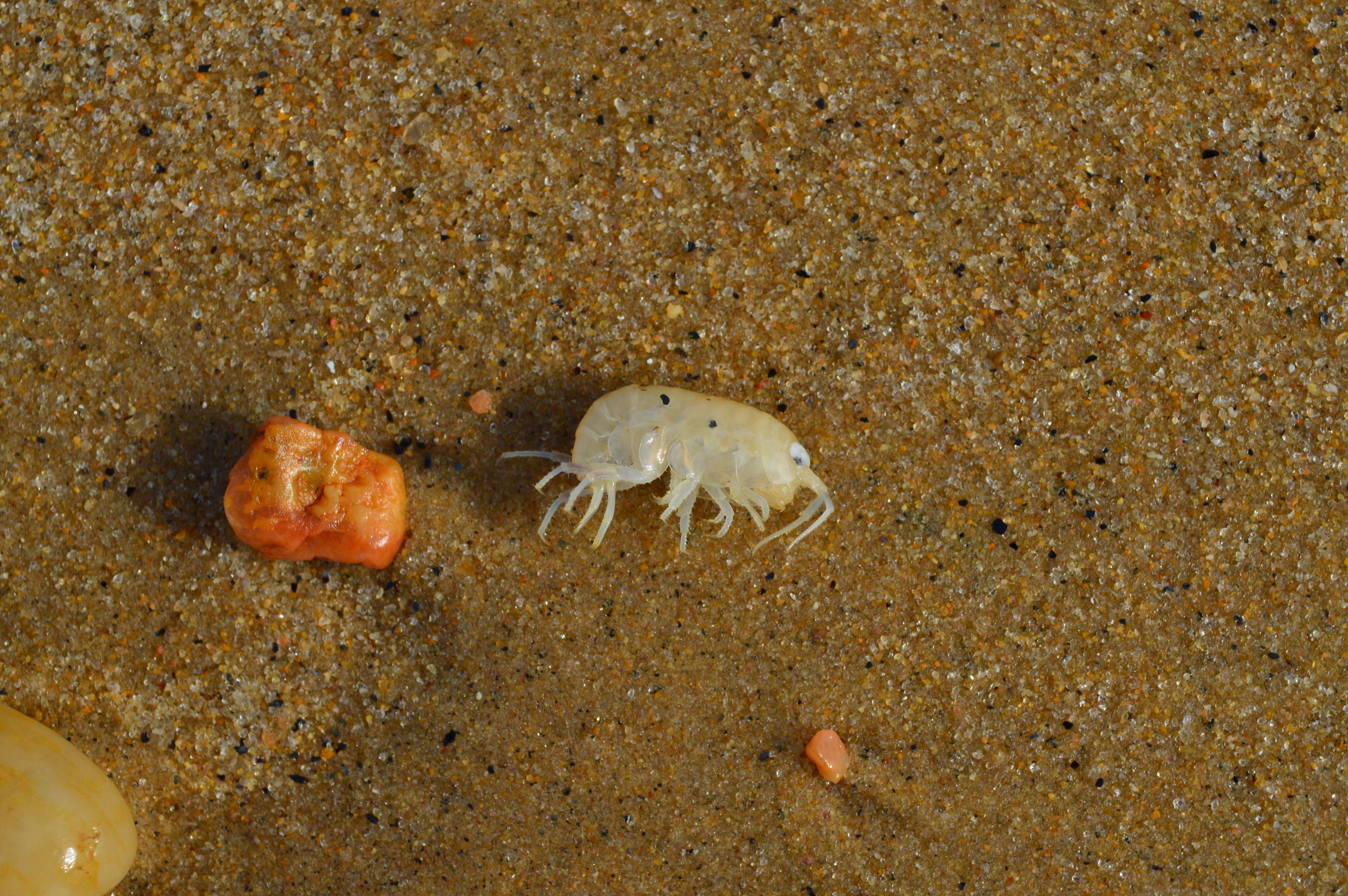
Harmful algal blooms are another problem that has shifted gear. They’ve always existed, but the conditions that encourage them are becoming more common. Warm, stable surface water is ideal for many bloom-forming species, and warmer seas provide it. Some of these algae can double their growth rate with even a small increase in temperature.
Ireland has also become about 5–7% wetter in recent decades, with heavier downpours and more intense rainfall events. When storms bring that sort of rain, nutrients wash off the land and flow into rivers and coastal waters. Warmer water plus nutrient pulses is exactly what many harmful species need to flourish.
We’ve already seen how severe blooms can become in this part of the world, Lough Neagh’s months-long bloom in 2023 being the most extreme recent example. The same principles apply offshore: warm water, calm conditions, and nutrient-rich runoff create perfect bloom conditions, especially in sheltered bays.
For farms, the consequences can be swift. Some species damage gills, others force harvesting closures, and even non-toxic blooms can lower oxygen enough to stress stock.
Extreme Weather: Storms, Rainfall and Oxygen Stress
The weather itself is becoming a more active player in aquaculture risk. Ireland now sees heavier rainfall, with average totals up by 5–7% compared to 50 years ago, and some storm downpours delivering around 12–20% more rain than they would have in a cooler climate. These intense events are now twice as likely as they once were.
Out at sea, storms are arriving with more energy, and heatwaves are doing something equally disruptive, they reduce oxygen levels in the water. Warmer water holds less oxygen, so a heatwave that lifts sea temperatures by 2–4°C can depress dissolved oxygen just when fish need it most.
A warm spell followed by a storm and topped off by a bloom is a nightmare scenario, but one farmers now have to plan for. The stresses stack, and fish that might cope with one challenge struggle when hit by three.
When It All Hits at Once
Each of these challenges; sea lice, algal blooms, and extreme weather, is manageable on its own. The real problem is when they coincide.
A warm, early spring can accelerate sea lice and set up perfect conditions for an early bloom. A heatwave can weaken oxygen levels and leave stock more vulnerable to parasites and irritants. A storm can rip at infrastructure and stir up water layers that drive lice larvae and bloom species into new areas at exactly the wrong moment.
It’s the overlap that turns routine pressures into real risks.
How Fish Farmers Are Adapting
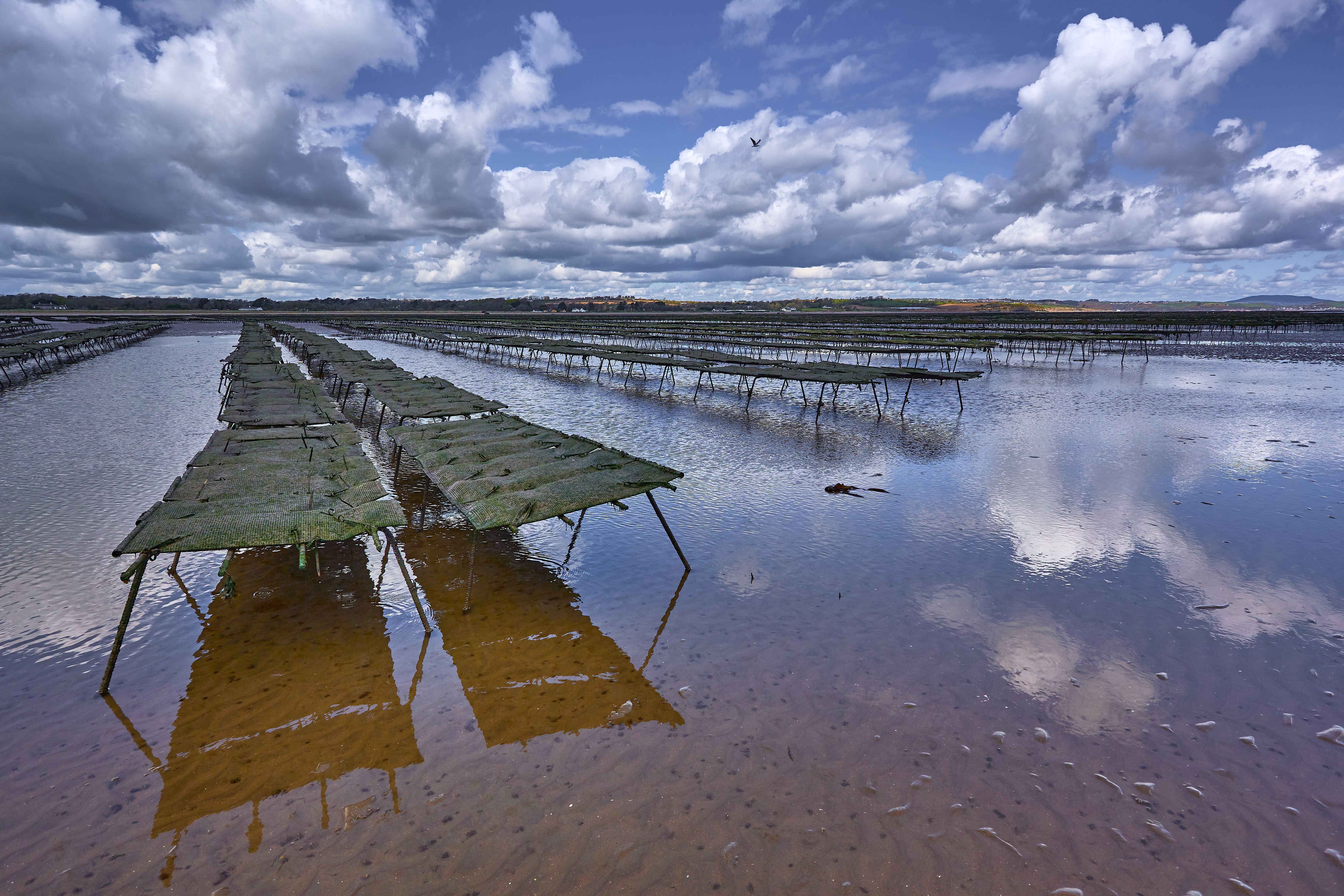
One thing Irish farmers have never lacked is the ability to adapt. Across the coast, you can see the industry shifting to meet these new realities.
- Farms are using real-time monitoring for temperature, oxygen, salinity and plankton.
- Sea lice strategies now combine multiple methods: cleaner fish, freshwater or mechanical treatments, and carefully timed fallowing.
- Cages are being adjusted or lowered to help fish avoid warm surface layers or bloom concentrations.
- Moorings and nets are being upgraded to cope with more energetic seas.
- Neighbouring farms are sharing information much more quickly than they used to.
It doesn’t remove the risk, but it does give farmers a fighting chance.
Conclusion
Climate change has already reshaped the waters around Ireland, and those trends are not going to reverse in the near future. But that doesn’t mean aquaculture can’t thrive. It means the industry will need to continue leaning into better monitoring, smarter planning, and flexible responses.
Sea lice, algal blooms and extreme weather aren’t new, but the way they behave now is. The difference from here on will be how well we adapt to the waters we have, not the waters we remember.
*By Anne Hayden MSc., Founder, The Informed Farmer Consultancy.